Song Meaning
Jean Leloup's "Paul Clifford (Chapter X)" paints a bleak, late-night tableau of urban isolation and existential resignation. The opening lines, noting the closed metros and the singer's recourse to drinking, immediately establish a mood of weary acceptance. A woman's public heartbreak on the sidewalk amplifies this sense of pervasive sadness, underscored by the repeated refrain that "nothing will change." This isn't a lament so much as a statement of fact, a weary observation on the cyclical nature of pain. The song meaning seems rooted in a kind of detached empathy, acknowledging suffering without offering false hope. Leloup isn't wallowing; he's simply reporting from the trenches of the human condition. The "Chapter X" in the title suggests a continuation of an ongoing, perhaps endless, narrative of disillusionment. We are not at the beginning, or the end, but somewhere in the middle of an ongoing cycle. It's a chapter, not the whole story.
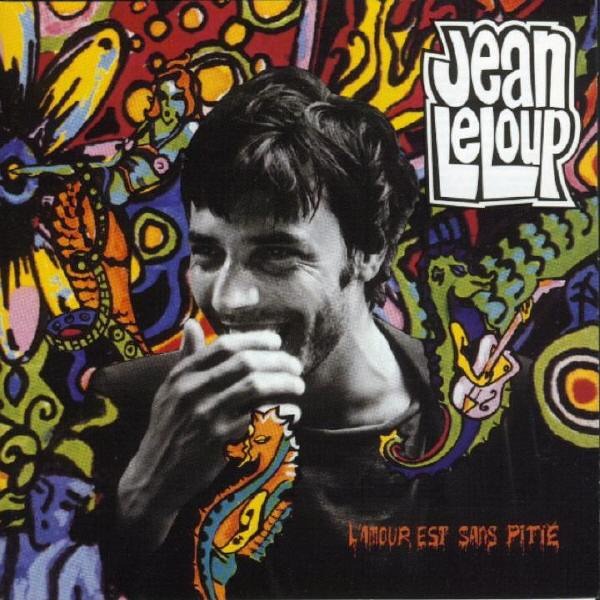
The lyrics explore the disconnect between the noise of the world and the deep-seated loneliness within. The observation that there's "so much noise, and yet no friends" highlights the paradoxical nature of modern life – surrounded by stimuli, yet profoundly alone. This solitude becomes a habit, a default state, further emphasizing the sense of inescapable sadness. The phrase "l'amour est sans pitié" ("love is without pity") resonates throughout the song, suggesting that love, often idealized, is in reality a source of profound pain and disappointment. The song isn't necessarily anti-love, but rather a stark acknowledgment of its potential for cruelty. The speaker seems to have come to terms with this reality, accepting it as an inevitable part of the human experience.
Ultimately, "Paul Clifford (Chapter X)" is a meditation on the futility of searching for meaning in a chaotic world. The lyrics acknowledge the ephemerality of happiness and the bitterness of pain, suggesting a constant cycle of starting over. The image of the Earth as a ball rolling in the universe, coupled with the nonchalant question of what difference it would make if everything exploded, underscores the song's existential outlook. It's a shrug in the face of the void, a recognition of the absurdity of existence. The song offers no easy answers or comforting platitudes; instead, it provides a raw, unflinching glimpse into the darker corners of the human psyche. It’s a song about the quiet despair of knowing that, despite everything, rien ne va changer (nothing will change).
 View Artist