Song Meaning
Jean Leloup's "La drop sociale" isn't a grand political statement; it's a stark snapshot of survival in the Montreal art scene. The "drop sociale" itself—presumably a period of social and financial precarity—becomes the backdrop for Leloup's candid self-portrait. He acknowledges his reliance on the generosity (or perhaps naivete) of others. The lyrics paint a picture of cyclical dependency: artists flush with grant money for a brief period, students receiving loans, all temporarily alleviating the financial strain before the cycle repeats. Leloup readily admits he "profite, oui un peu," but rejects the labels of "profiteur" or "menteur," drawing a line between opportunistic survival and outright exploitation. He simply doesn't like "suckers."
There's a darker undercurrent to the song, a sense of weary resignation. The lines about enduring the harsh Montreal nights, "surveiller sa ligne ajouter du gras et de l'alcool pour le foie / Et de l'alcool pour le froid," speak to the physical and mental toll of this lifestyle. It's a cycle of fleeting generosity followed by periods of hardship, a constant hustle for sustenance and warmth, both literal and figurative. The repetition of "J'en profite, oui un peu" underscores the ambivalence; it's not a boast, but a quiet, almost defeated acknowledgement of his situation.
Ultimately, "La drop sociale" resonates because of its unflinching honesty. Leloup avoids romanticizing the artist's struggle, instead presenting a raw, unvarnished view of the compromises and dependencies inherent in navigating a precarious existence. The song's power lies not in its condemnation or celebration of the "drop sociale," but in its nuanced portrayal of the human condition within it.
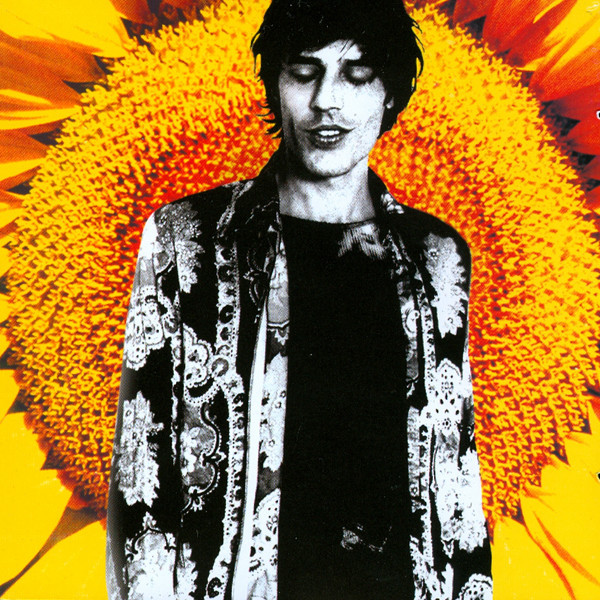
 View Artist