Song Meaning
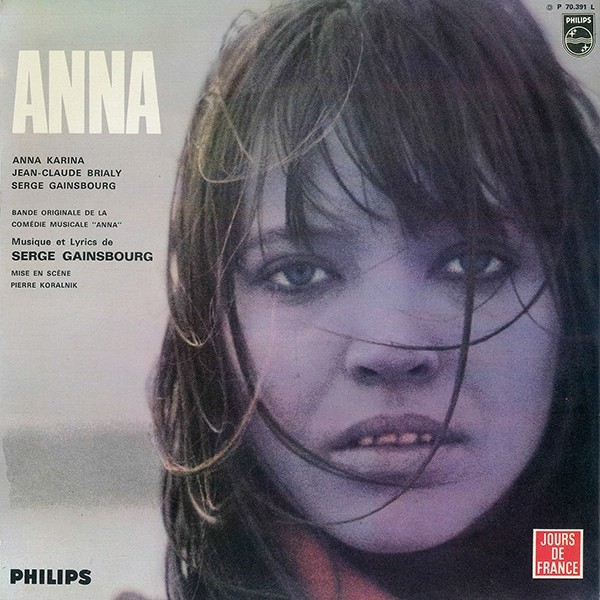
Serge Gainsbourg's "Un jour comme un autre" is a brittle, melancholic study in romantic disillusionment, filtered through the perspective of a woman named Anna. The song meaning hinges on the tension between a yearning for love and a deep-seated skepticism about its true nature. Anna, presumably the singer, finds herself alone, contemplating the prospect of love with a blend of hope and weary resignation. The repeated line, "Un jour comme un autre" ("A day like any other"), emphasizes the monotonous cycle of longing and doubt that defines her existence. This isn't a passionate cry for connection, but a quiet, almost detached observation of her own emotional state. The simple, almost childlike "La la la" refrain underscores the song's underlying sadness, acting as a kind of emotional wallpaper that both masks and amplifies Anna's internal conflict.
The lyrics reveal a core fear of the transient nature of love. Anna anticipates a future where someone will declare their love for her, promising a transformative change. However, this anticipation is immediately undercut by the cynical question, "Si c'est ça, l'amour / À quoi bon?" ("If that's love, what's the point?"). This suggests a past experience with love that has left her jaded, questioning its inherent value and permanence. The subsequent lines further expose her vulnerability: "Un jour, c'est moi / Et demain, c'est une autre" ("One day it's me, and tomorrow it's another"). She recognizes the potential for replacement, the fleeting nature of romantic attention, leading her to question why she should be chosen over anyone else.
Ultimately, "Un jour comme un autre" is a poignant exploration of the psychological defenses we build against heartbreak. The song's power lies in its understated delivery and its refusal to offer easy answers. Anna's dilemma – the desire for love weighed against the fear of its inevitable disappointment – is a universal one. Gainsbourg doesn't provide a resolution, but rather leaves us with the haunting echo of Anna's question: "Autant oublier l'amour" ("Might as well forget love"). The repetition of this sentiment, coupled with the lilting melody, creates a sense of resignation, a quiet acceptance of the pain that love can inflict.
 View Artist