Song Meaning
The lyrics paint a picture of a cool, yellow-mooned night, a setting ripe with the potential for romance but also for deception. The narrator observes someone who, jaded by cinematic portrayals of love, might miss the genuine article if it appeared. This skepticism is the immediate emotional texture: a blend of romantic yearning and a cynical awareness of how mediated experiences can distort reality. The core tension arises from the contrast between the idealized, often performative, version of love seen in media and the messy, potentially unknowable, reality of genuine connection. The narrator seems to be pushing this other person to confront this gap, suggesting it's their 'turn now' to experience something real, even if they're ill-equipped to recognize it.
The central conflict seems to be the other person's inability to truly engage with love, possibly due to a fear of vulnerability or a reliance on pre-packaged emotional scripts. The narrator states, "You'd be falling in love but you wouldn't know how," implying a disconnect between the *idea* of love and the *act* of loving. This is further underscored by the lines, "if you thought love was tame / It must be something you dreamed," suggesting the other person has a naive or unrealistic expectation of what love entails. The narrator, in contrast, presents a more complex self: "I can fight like a man / And cry like a little boy," indicating a capacity for emotional range that the other person appears to lack.
The most striking craft element is the recurring motif of the moon and the night, which acts as a liminal space. It's a place where "the night can make a promise of love / Or it can make you a fool." This duality is mirrored in the final verse, questioning how love can be cruel if passion is always kind. The lyrics also employ a subtle, almost taunting, repetition of "your turn now," framing the other person's potential experience of love as a test they might fail. The narrator's observation that "it's hard to see the spot you're standing on" is a powerful image for self-delusion or an inability to grasp one's own reality.
What makes these lyrics resonate is their grounded portrayal of romantic apprehension. The narrator isn't just lamenting lost love; they're dissecting the *mechanics* of why connection fails, specifically focusing on the other person's perceived emotional illiteracy. The contrast between the cinematic ideal and the difficult, uncertain reality of love is keenly felt. The lyrics suggest that the fear of genuine emotional risk – "afraid to hold on tighter / And you're afraid to let go" – is the ultimate barrier, leaving the other person perpetually on the outside, perhaps forever waiting for their turn without ever truly seizing it.
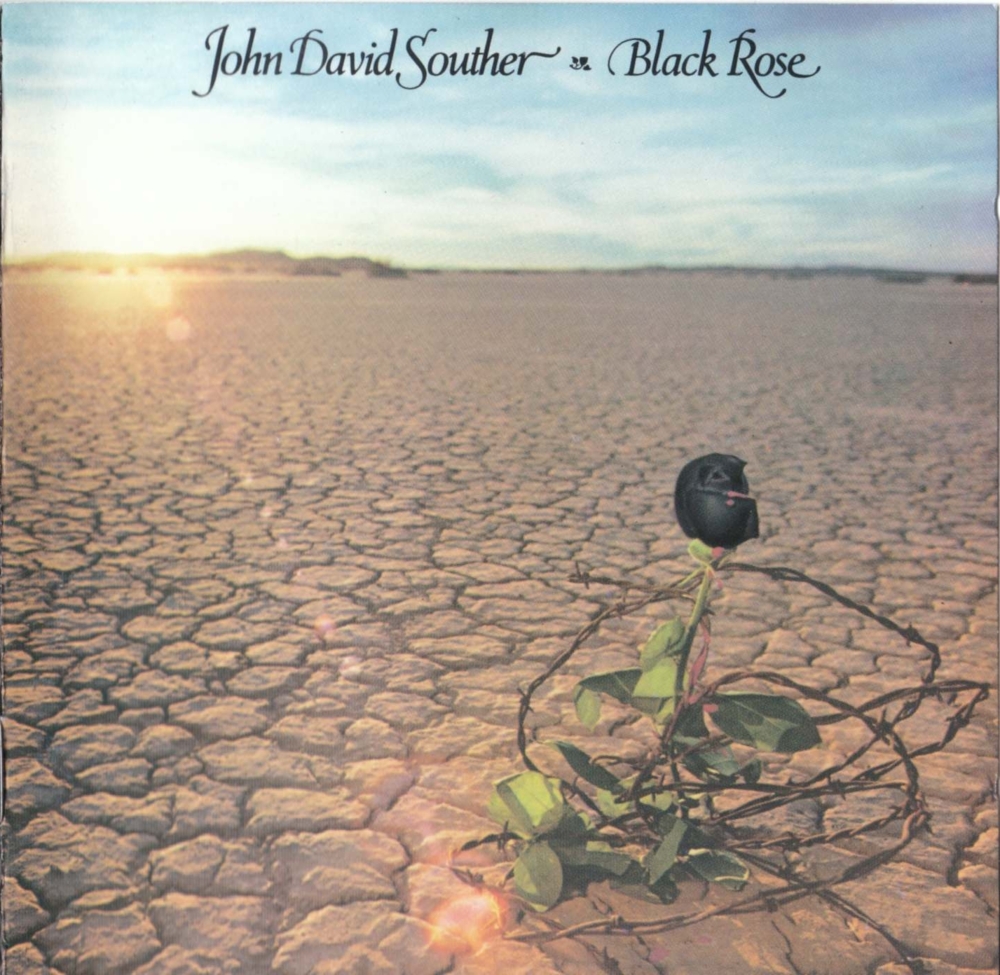
 View Artist