Song Meaning
Jay-Jay Johanson’s "Time Will Show Me" unfolds like a hazy, after-midnight confession, steeped in the anxieties of nascent connection. The opening lines immediately plunge us into the subconscious, a dreamscape preceding the actual encounter with the song's subject. This isn't just about romantic anticipation; it’s about the burden of expectation and the flawed, unreliable nature of memory itself. The "corridors that lead nowhere" suggest a searching, a pre-emptive exploration of a relationship's potential dead ends. Johanson isn't simply recounting a dream; he's framing the entire relationship as a construct of the mind, susceptible to the tricks of recall and the distortions of desire. The repeated line, "Time's gonna show me what you're hiding for me", encapsulates a central tension: the push and pull between vulnerability and guardedness.
The lyrics hint at a power dynamic, a sense that the other person holds secrets or plays a strategic game. References to "dialogues I never understood your strategy" and "horoscopes, I know you're gonna keep it for yourself" paint a picture of someone elusive, perhaps deliberately so. This isn't necessarily accusatory; it's more of an acknowledgement of the inherent unknowability of another person, especially in the early stages of intimacy. The line "The end of us, there's so much depending of the danger" speaks to the precariousness of the situation. The relationship thrives on a certain level of uncertainty, a flirtation with potential heartbreak.
Ultimately, "Time Will Show Me" is less a declaration of love and more a meditation on the anxieties of connection. The melancholic refrain, "Songs for no bitter regrets", suggests a conscious effort to navigate the relationship with grace, to accept whatever outcome may come without succumbing to bitterness. Johanson seems to be steeling himself for the inevitable revelations and disappointments that time will bring, choosing instead to approach the unknown with a blend of cautious optimism and world-weary acceptance. It's a mature perspective, acknowledging the complexities of human relationships without shying away from their inherent risks.
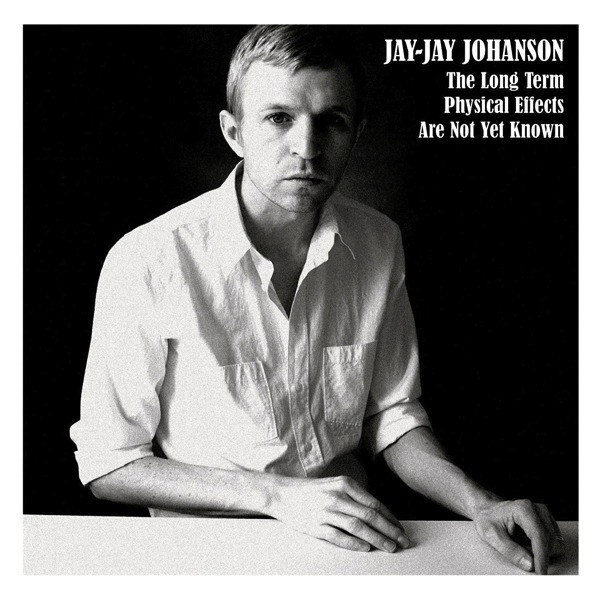
 View Artist