Song Meaning
Jay-Jay Johanson's interpretation of "Suicide Is Painless" doesn't so much glorify self-destruction as dissect the emotional calculus behind it. The initial lines, steeped in a hazy premonition, suggest a confrontation with inevitable suffering. The famous refrain acts as a kind of bitter mantra, a flippant dismissal of death's sting that belies a deeper, more complex relationship with existence. It's not an endorsement, but a weary acknowledgement of an option always on the table—one that can be taken or left. The core of the song meaning resides in this ambivalence.
The following verses deepen the sense of existential fatigue. The "game of life" metaphor is well-worn, but Johanson imbues it with a specific kind of world-weariness, a sense of pre-ordained failure. The "sword of time" imagery is particularly potent, illustrating the insidious, creeping nature of pain. It begins subtly, almost imperceptibly, before escalating into a grinning tormentor. This isn't just about physical pain, but the accumulated weight of disappointments, regrets, and the slow erosion of hope.
The final verse throws a curveball, referencing the classic Hamlet question of "to be or not to be." But Johanson sidesteps the weighty philosophical implications, responding with a dismissive "Oh why ask me?" This highlights the song's overall theme: not a grand statement on the meaning of life and death, but a personal, almost flippant confrontation with the void. "Suicide Is Painless" becomes a study in detachment, a coping mechanism for navigating a world perceived as inherently painful and ultimately, pointless.
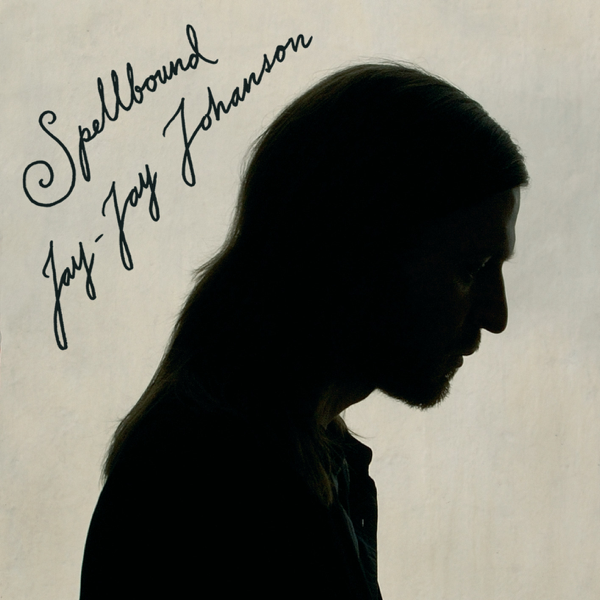
 View Artist