Song Meaning
Jay-Jay Johanson's "I'm Older Now" isn't just a lament for lost youth; it's a quietly devastating meditation on the fading of perceived personal power. The opening lines paint a vivid picture of the singer as a magnetic figure, a dancer capable of sweeping women off their feet and a lover of unparalleled skill. The whispered admiration and blushing faces are the currency of his past, a time when his very presence sparked desire and excitement. Johanson doesn't dwell on concrete achievements or relationships; instead, he focuses on the *feeling* of being desired, the intoxicating high of youthful virility. He's not mourning lost love, but the loss of being *seen* as a desirable person. This focus on perception is key. The value he once held seems to have been entirely dependent on the gaze of others. The singer's worth was dictated by external validation, a precarious foundation for self-esteem.
The stark admission that "good things never last" hangs heavy in the air, less a philosophical observation and more a personal defeat. It's not just that youth fades, but that the *attention* associated with it disappears, leaving the singer feeling diminished. This realization stings because his identity was so intricately woven with this external validation. The repeated line "Cause I'm older now, much older than I was, when I was young" isn't merely about aging; it's about the psychological weight of irrelevance. The double emphasis on "older" underscores the profound shift in his self-perception. He feels ancient not necessarily in years, but in his capacity to elicit the responses he once took for granted.
"I'm Older Now" ultimately speaks to the universal fear of obsolescence, the anxiety of losing one's perceived value as we age. Johanson's genius lies in distilling this complex feeling into a simple, haunting refrain, revealing the vulnerability that lies beneath the surface of youthful confidence. The song's true meaning resides in the unspoken question: if our sense of self is built on external validation, what remains when that validation disappears? It's a question that resonates deeply in a culture obsessed with youth and beauty, forcing us to confront the ephemeral nature of desire and the importance of finding worth beyond the fleeting gaze of others.
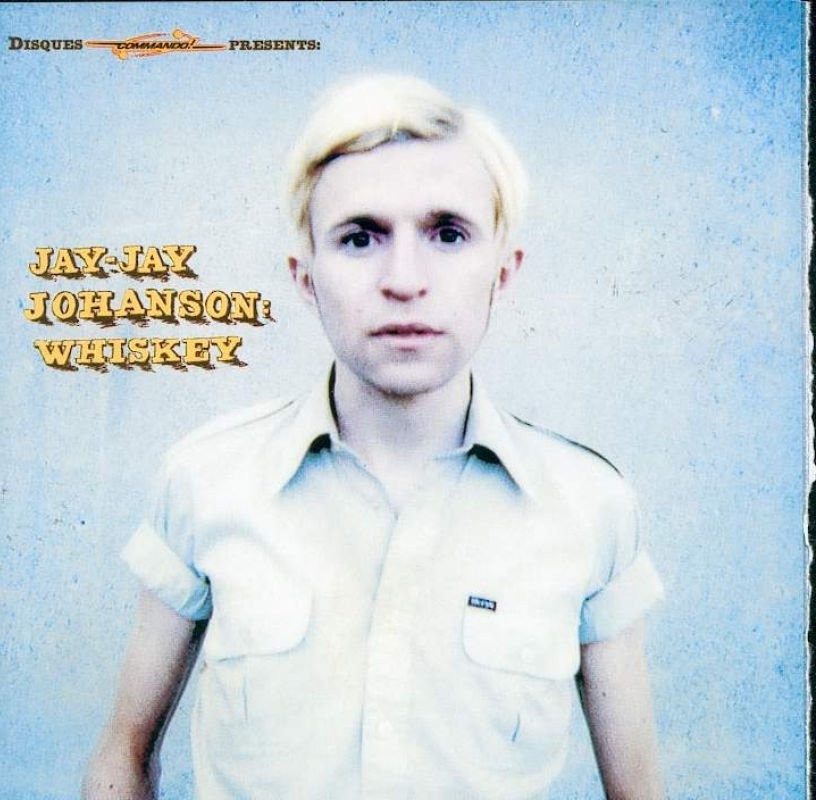
 View Artist