Song Meaning
Jay Farrar's "Feed Kill Chain" is a study in modern anhedonia, a portrait of a man wrestling with numbing choices and the slow burn of societal decay. The opening lines sketch out potential paths of self-destruction – cigarettes, a handgun, the role of "exterminator" – all hinting at a desire for control, or perhaps just a potent distraction from a deeper malaise. But Farrar quickly pivots, implicating the more insidious, legally sanctioned forms of escape: "It's the legal drugs that wear most down." This isn't a lament for lost innocence, but a weary observation on the trade-offs we make, the Faustian bargains struck for comfort and conformity. The "parabolic louver lighting" adds a sterile, almost clinical feel, suggesting a world where even illumination feels artificial and oppressive.
The chorus, with its repeated mantra of "Another day to face up / Another day to wake up / On the feed kill chain," crystallizes the song's bleak outlook. The "feed kill chain" itself is a potent metaphor for the cyclical nature of modern existence – a relentless consumption, both literal and metaphorical, where we are simultaneously predator and prey. It speaks to the dehumanizing aspects of late-stage capitalism, where individuals are reduced to cogs in a machine, driven by base desires and ultimately contributing to their own destruction. The lines "Off hand mouth mind / Watch out, don't let your guard down" emphasize the constant vigilance required to navigate this treacherous landscape.
Farrar's lyrics repeatedly return to the idea of awareness and choice, however limited. The repeated advice to know "the brake, the accelerator" suggests a need for conscious control, even within a system designed to erode it. The warning to "save the jokes and save your soul" implies a coming reckoning, a moment where humor will no longer suffice as a coping mechanism. The "bells and whistles left and right" and "knowingly burning" paint a picture of a society saturated with distractions, where individuals are complicit in their own demise, choosing short-term gratification over long-term well-being. "Feed Kill Chain" is not an anthem of rebellion, but a somber reflection on the quiet compromises that define contemporary life.
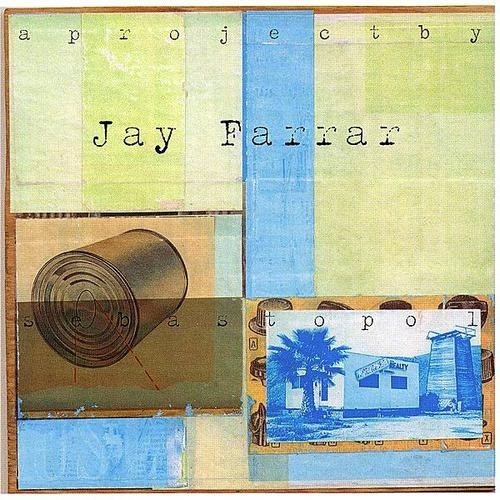
 View Artist