Song Meaning
The lyrics paint a picture of a chaotic, intimate house party, an "invitational" where neighbors and people from the music scene mingle. There's a sense of forced conviviality with the neighbors deciding to "make friends" with strangers, contrasted by the arrival of "people from bands and labels." The narrator seems to be nursing an "accident" and a hurt arm, a physical ailment that perhaps mirrors an emotional vulnerability amidst the social scene. The atmosphere is charged with a mix of casual excess, like "Chris got a pony keg of loose charm," and a specific, intense connection forming with someone described as being "from Oakland by way of the Midwest."
The central tension arises from this burgeoning connection amidst the party's disarray. The narrator buys a rose and a pegged suit, suggesting an effort to impress or present a certain image, while the other person makes a bold, direct advance: "You said, 'I smelled you twice today.'" This is followed by a shared moment of intense, almost reckless intimacy – "We kissed a shot of Kentucky straight" – leading the narrator to believe "this life is worth the wait." The mundane details of the party, like "Hayes broke the scissors" and the crowded, steamy kitchen, serve as a backdrop to this powerful, unexpected spark.
The most striking craft element is the juxtaposition of external chaos with internal intensity. While the party rages with broken objects and passing out, the focus narrows to the narrator and their connection. The physical intimacy escalates from a shared drink to a passionate bite, "You bit my neck blue," and a symbolic act of seclusion: "We hung our clothes up on the floor / And put our faith in a closed door." This shift from public mingling to private, almost desperate, connection highlights how profound moments can emerge from overwhelming social settings.
These lyrics resonate because they capture the disorienting yet exhilarating feeling of finding a singular, vital connection within a scene that feels both overwhelming and artificial. The contrast between the superficiality of "making friends" with neighbors and the raw, physical intensity of the interaction with the other person is palpable. The final plea, "Please come / It won't be the same without you," underscores the profound impact this brief encounter has had, transforming the entire experience from a generic party into something deeply personal and irreplaceable.
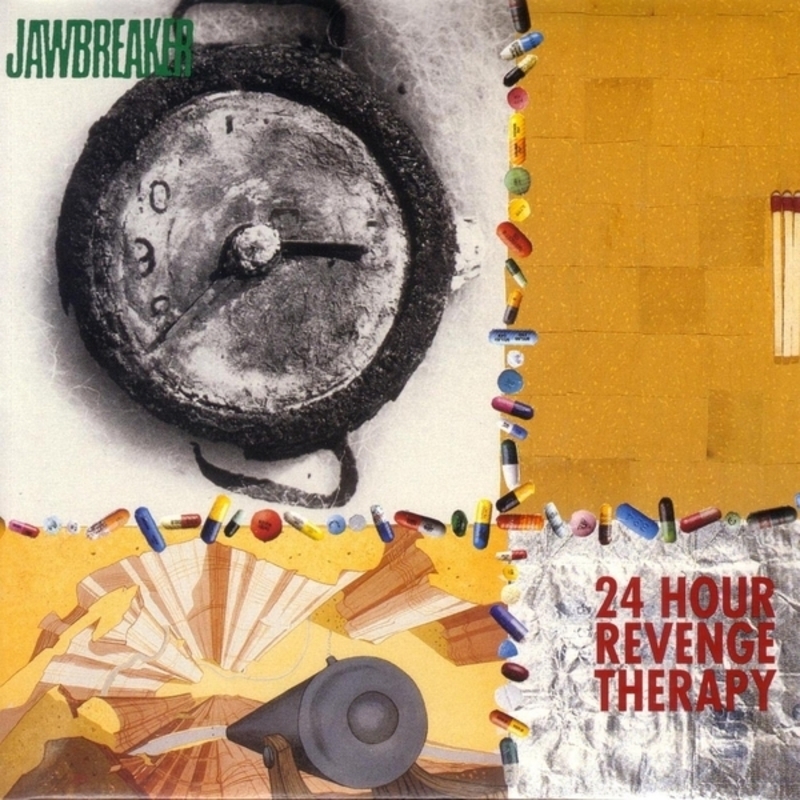
 View Artist