Song Meaning
These lyrics paint a vivid picture of profound sorrow, a speaker grappling with an unbearable loss. They yearn to express their pain, declaring, "Quiero gritar / Quiero implorar / Y ya no puedo," suggesting a grief so deep it has silenced even the most desperate cries. The absent person's presence is felt intimately, almost physically, as the speaker senses their heart beating "Serca del mio," yet this sensation is immediately contradicted by the stark reality of their absence.
The central tension here lies in the haunting paradox of the voice. The speaker repeatedly hears "tu voz," a "dulce voz" that momentarily revives their spirit, making their soul "Renace mi alma" and restoring belief in love. This auditory connection offers a fragile hope, a desperate wish to "seguir soñando en ti" and to believe that the loved one will "nunca mas / Ya tu te iras." It's a powerful testament to how a memory, a sound, can momentarily defy a crushing reality.
However, this fleeting solace is brutally shattered. The turning point arrives with "Pero al mirar la realidad," which plunges the speaker back into despair. Their soul "llora" as the truth hits: "Tu ya no estas y nunca / Mas yo te vere." The voice, once a source of hope, now becomes a cruel reminder, a phantom echo that promises "te espero, te espero," intensifying the speaker's isolation. This contrast between the internal comfort of the voice and the external pain of absence is masterfully crafted.
Ultimately, the lyrics convey an overwhelming sense of finality and a desperate yearning for reunion. The speaker declares, "Quiero morir para unirme a ti," unable to bear "Esta pena tan onda" any longer. The repeated "Tu voz, tu voz" at the close underscores how this singular, spectral sound is both the source of their deepest connection and the catalyst for their most profound suffering, making the absence almost unbearable.
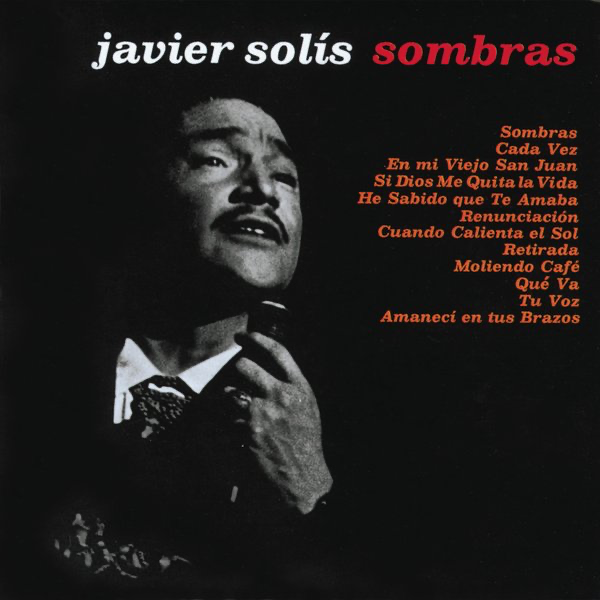
 View Artist