Song Meaning
The lyrics paint a vivid picture of lingering devotion and the slow erosion of hope. The narrator is caught in a loop of memory, recalling a "warm trace of a fleeting kiss" and the promise, "Wait, I shall return." This initial sweetness, however, is now overshadowed by the relentless passage of time, marked by "very slow days, very slow years." The central tension lies between the persistent act of waiting and the dawning, painful realization that the promise might never be fulfilled.
The core of the song is the narrator's unwavering commitment, expressed through the repeated phrases "I keep waiting, I keep awaiting." This isn't just passive hope; it's an active, almost desperate plea, "Come, I wait for you, come, I'm dying for you." The night itself becomes a witness to this "suffering," amplifying the sense of isolation and the depth of the narrator's emotional endurance. Despite the growing certainty of abandonment, the narrator clings to their fidelity: "I keep loving you, I didn't betray you."
The most striking aspect of the craft is the stark contrast between the vivid sensory memory of the past and the abstract, drawn-out present. The "warm trace of a kiss" is tangible, while the "idea that you will never return" is a creeping, internal dread. The repetition of "very slow days, very slow years" is a masterful stroke, conveying not just the length of time but the agonizing quality of each passing moment. This deliberate pacing underscores the narrator's static existence, trapped in a perpetual state of anticipation.
This lyrical construction is effective because it mirrors the experience of prolonged longing. The simple, direct language and the insistent repetition create an almost hypnotic effect, drawing the listener into the narrator's unending vigil. The song doesn't offer resolution; instead, it captures the raw, enduring ache of waiting for someone who may never come back, making the commitment feel both tragic and profound.
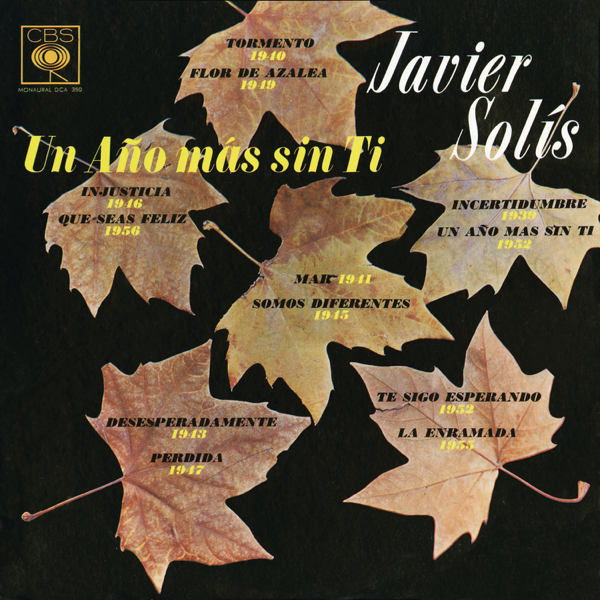
 View Artist