Song Meaning
The narrator is caught in a bittersweet loop of memory, revisiting a cherished place and the intense sensations of a past love. The initial lines paint a vivid picture of a "paradise" once shared, filled with sensory details like breath, kisses, and voice. Yet, this idyllic recall is immediately undercut by the stark reality of a final "goodbye," establishing the core tension between cherished past and painful present.
The central conflict lies in the narrator's inability to move on, a struggle explicitly stated: "I should forget and I can't." This internal battle is amplified by the recurring fantasy that the lost love might also be remembering their time together, a desperate hope that fuels the pain. The repeated phrase "remembering my love, remembering my kisses, remembering my voice" highlights the specific, intimate details the narrator clings to, making the loss feel even more profound.
The most striking aspect of the craft is the persistent, almost obsessive repetition of the chorus and the final lines. This structure mirrors the narrator's own cyclical thinking, trapping them in a loop of remembrance and sorrow. The contrast between the initial "enchanted" paradise and the present-day weeping before "so many memories" underscores the devastating power of these recollections. The lyrics suggest a deep yearning for a connection that, while intensely felt, has ultimately led to heartbreak.
This piece hits hard because it captures the universal ache of longing for what's gone, but grounds it in such specific, sensory language. The narrator's confession of helplessness – "I should forget and I can't" – is raw and relatable. The repeated insistence on remembering specific moments, like kisses and voice, makes the fantasy of mutual remembrance feel both poignant and tragically futile, amplifying the emotional weight of the final, repeated cry of sorrow.
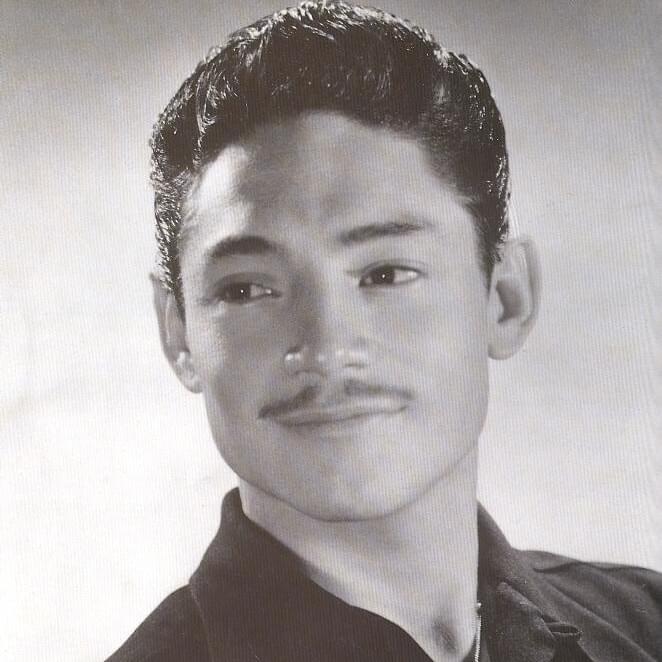
 View Artist