Song Meaning
This song paints a picture of overwhelming devotion, bordering on the ecstatic and fatalistic. The narrator finds ultimate bliss in the idea of dying for love, specifically for a lover's "divine eyes" that express "pleasure." It’s a dramatic, almost operatic declaration where even the nightingale's song is interpreted as an endorsement of this passionate demise. The immediate emotional texture is one of intense, almost masochistic adoration.
The central tension arises from the juxtaposition of "dying for your love" with "pleasure" and "bliss." This isn't a gentle affection; it's a desire for an ultimate, consuming experience, so profound that its cessation is framed as the highest form of fulfillment. The lyrics suggest that this intense love is intrinsically linked to pain, as the narrator notes, "your name is sacrosanct because in you there always exists pain."
The repeated, almost chant-like phrases "Morir por tu amor" (To die for your love) and "Amor, amor, amor, amor" (Love, love, love, love) create a hypnotic effect, hammering home the singular focus of the narrator's obsession. The idea that "life is very short" and "life is crazy" is presented as justification for this extreme emotional investment, urging the listener to "sing, sing, sing" and "laugh, laugh, laugh" in the face of life's brevity and madness, all while fixating on the ultimate act of dying for love.
What makes these lyrics so potent is their unapologetic embrace of hyperbole and a romantic idealization of suffering. The narrator doesn't shy away from the dark side of intense passion, finding a strange "bliss" in the very idea of annihilation through love. This fusion of pleasure and death, sung with the conviction of a nightingale's call, creates a powerful, albeit unsettling, portrait of absolute devotion.
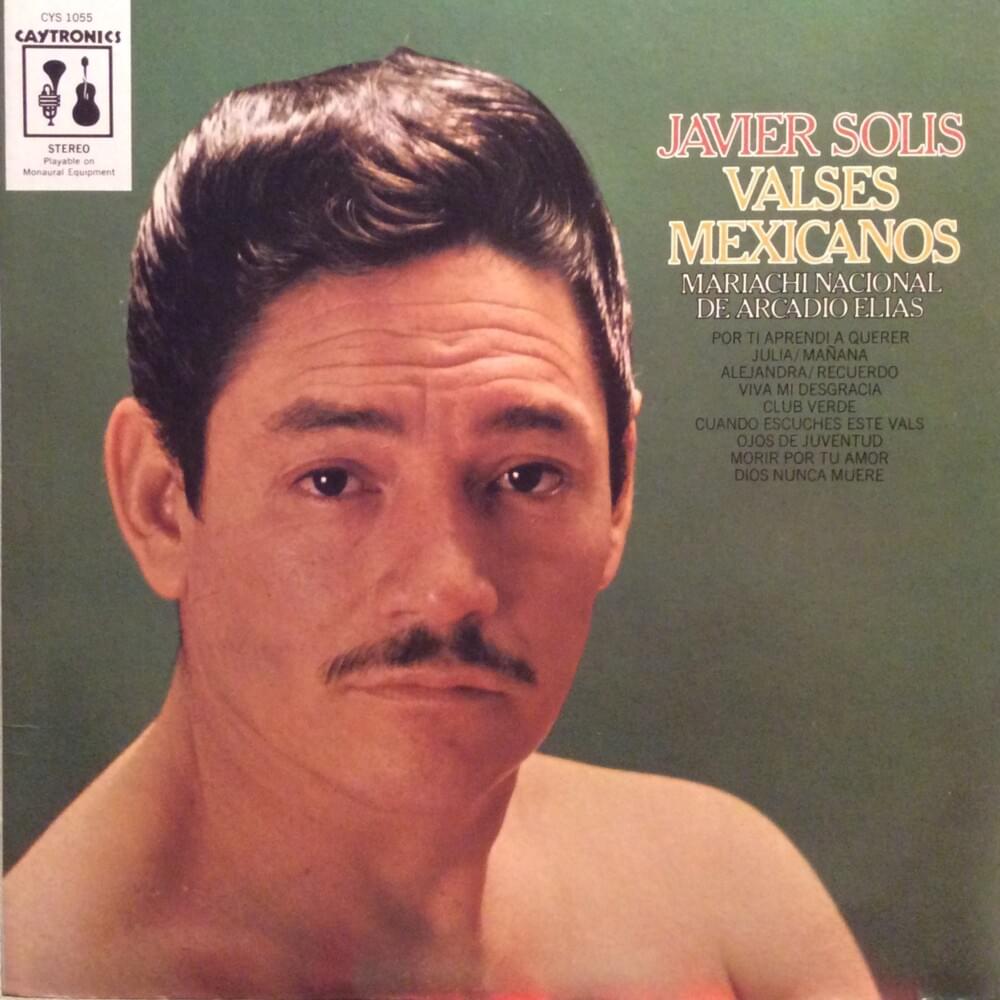
 View Artist