Song Meaning
Years have passed since a significant "yesterday," leaving behind a trail of "mil desengaños"—a thousand disappointments. Yet, the speaker feels an enduring, almost visceral connection to another person. This bond is immediately likened to ivy, described as being "ligada a mí," or bound to the speaker.
Despite the passage of time and the accumulation of past hurts, the central tension here is the inescapable nature of this connection. The speaker explicitly states, "hasta la eternidad te sentiré"—I will feel you until eternity. This isn't just memory; it's a persistent presence, even in solitude, creating a "pena ya sin final"—an endless pain of feeling the other person's presence in their loneliness.
The lyrics masterfully employ the "hiedra" (ivy) metaphor, escalating its intensity throughout the piece. It begins as a simple comparison, but quickly becomes a benchmark for strength, with the speaker claiming to be bound "más fuerte que la hiedra." This culminates in the powerful image that "Jamás la hiedra y la pared podrían apretarse más," suggesting an absolute, unbreakable grip. The repetition of "no pueden separarse jamás"—first applied to eyes in dreams, then to eyes directly—underscores this relentless, almost obsessive, internal bond.
What makes these lyrics so effective is their unflinching portrayal of love's tenacity, even in the face of pain and separation. The final declaration that "más fuerte que el dolor se aferra nuestro amor como la hiedra" elevates the connection beyond mere nostalgia. It suggests that this love isn't just resilient; it actively outlasts and outweighs suffering, clinging with a force that defies time and disappointment.
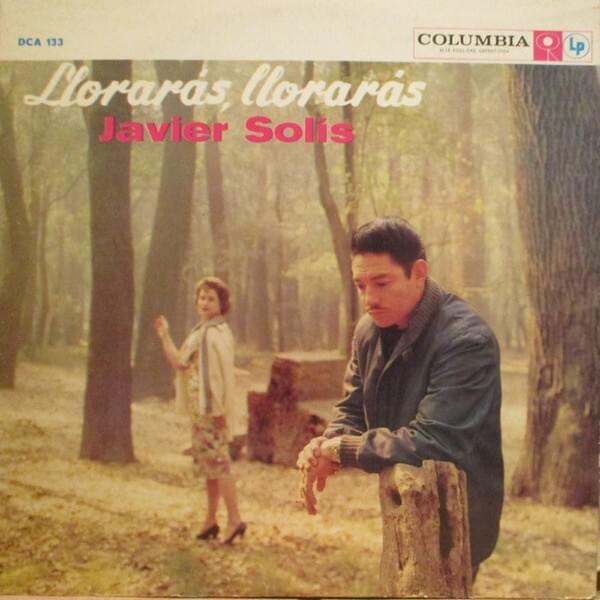
 View Artist