Song Meaning
This song captures a dizzying, almost involuntary obsession. The narrator is utterly captivated, admitting "No sé que tienen tus ojos" – a bewilderment at the power held by another person's gaze and words. This isn't a reasoned affection; it's a primal, physical reaction that leaves them "a mi sangre vuelve loca." The immediate emotional texture is one of being overwhelmed, a surrender to an irresistible force.
The central tension lies in the narrator's desperate, yet futile, attempts to regain control. They confess to praying "A Dios le pido olvidarte" each night, a plea for freedom from this consuming passion. Yet, the cycle repeats, as they wake "Tan sólo para adorarte," demonstrating the futility of their struggle against this overwhelming adoration. This internal conflict highlights the inescapable nature of their feelings.
The most striking craft element is the paradoxical declaration: "Y hacen que me sienta esclavo / Y amo del universo." This stark contrast, appearing after the description of trembling "cuando me besan," encapsulates the song's core. The physical act of being kissed induces a feeling of servitude, yet simultaneously elevates them to a cosmic dominion. It's a profound, almost spiritual, paradox born from intense romantic fixation.
These lyrics hit so hard because they articulate a universal, albeit extreme, experience of being utterly consumed by love. The narrator's bewilderment, their nightly pleas for escape, and the ultimate paradox of being both enslaved and divinely empowered by another's touch, all combine to create a potent and unforgettable portrait of passionate surrender. The writing grounds this intense emotion in specific, visceral reactions, making the narrator's plight feel deeply, almost painfully, real.
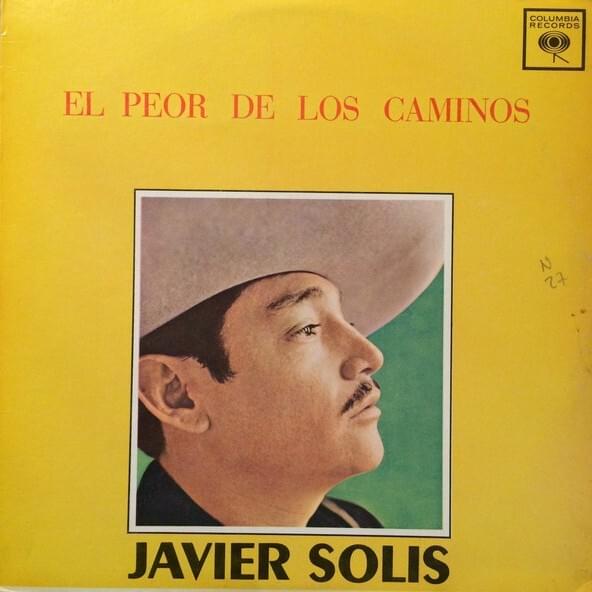
 View Artist