Song Meaning
A profound sadness settles in as the narrator acknowledges the finality of a separation, noting that the object of their affection has managed to "apartar / De mi vivir tu raro mirar" – to remove their peculiar gaze from the narrator's life. This isn't just a breakup; it's the removal of a specific, defining presence, leaving a void.
Yet, within this sorrow, a defiant resilience emerges. The narrator clings to the tangible memory of stolen kisses, "los besos que yo / Te arrebaté al decirme tu adiós." These aren't just memories; they are presented as irremovable, a claim so absolute that "ni tú ni nadie ni Dios / Me los podrán quitar" – not even you, nor anyone, nor God, can take them away. This elevates the stolen kisses to a sacred, personal victory against the loss.
The core tension lies in the contrast between the narrator's certainty of being forgotten and their absolute conviction about the permanence of these final kisses. The lyrics repeatedly state, "Con la distancia tú muy pronto me olvidarás / Sé muy bien que no me recordarás" – with distance, you'll soon forget me, I know well you won't remember me. This foreknowledge of being erased fuels the desperate need to hold onto something undeniably theirs.
This insistence on the un-tarnishable nature of the stolen kisses is the song's most potent craft. It transforms a moment of parting, typically associated with pain and loss, into a defiant act of possession. The narrator asserts that even in being left behind, they have secured an unassailable piece of the past, a private treasure that distance and time cannot erode.
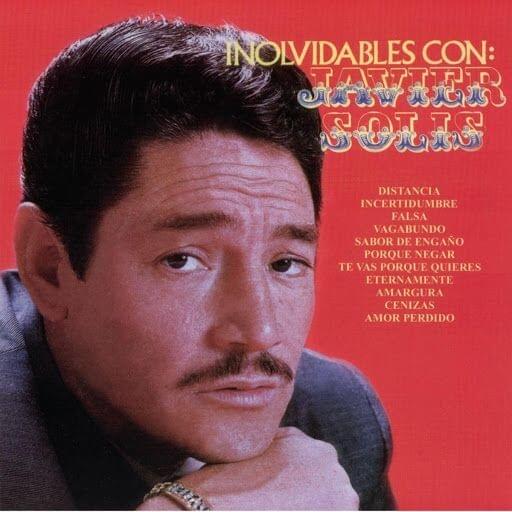
 View Artist