Song Meaning
The lyrics paint a vivid picture of a spring night in the city, where the narrator observes a striking figure walking down the street. The scene is charged with sensory details – the "árbol, noche, coches y neón" that "alteran la sangre" – creating an atmosphere of urban unease and heightened awareness. This initial setting establishes a sense of observation, with the narrator noting the "esferas" of people and a specific encounter that immediately introduces a theme of judgment and risk.
The central tension emerges from the contrast between the observed figure and the societal reactions to her. The lyrics describe a palpable risk associated with her presence, particularly when "dos chicos" in a car begin to insult her. This moment highlights a societal tendency to judge and condemn those who deviate from perceived norms, especially when expressed through outward displays like "mostrando sus tetas." The observed figure, however, seems unfazed, even amused, by this aggression, suggesting an inner strength or a different set of priorities.
The most compelling aspect is the narrator's interpretation of the observed figure's gaze and her self-description: "muerdo por fuera, me como por dentro / Piel de pantera, soy virgen del miedo." This powerful metaphor of the panther skin suggests a fierce exterior that masks an inner vulnerability or a unique kind of innocence – "virgen del miedo." It implies a deliberate choice to confront the world without the armor of fear, even if it means facing the cold and the unknown, as suggested by "mañana sin centro / Luz por montera, sin un firmamento."
This lyrical portrayal is effective because it uses sharp imagery and a distinct perspective to question conventional notions of shame and courage. The narrator seems to learn from the observed figure, noting the irony that those who "muestran" (show themselves) might be the ones experiencing less shame than those who "se reservan" (hold back). The final lines about "Hombres de misa" hunting the "pantera" and washing their hands create a chilling indictment of hypocrisy, suggesting that societal judgment often masks a deeper moral failing.
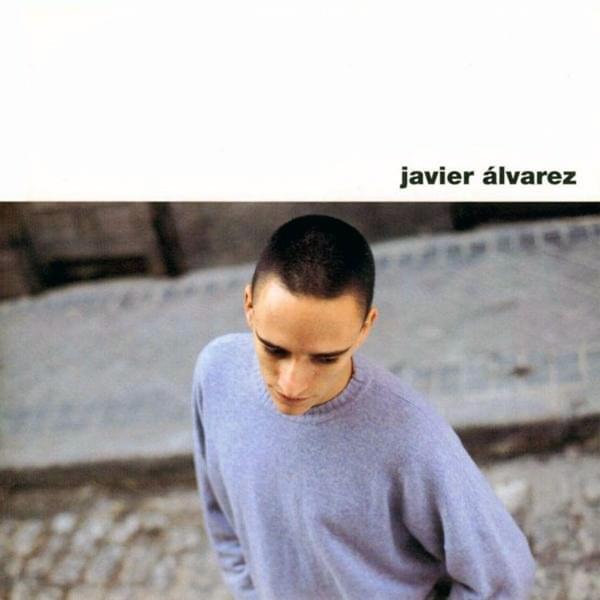
 View Artist