Song Meaning
The lyrics paint a picture of intense, almost religious devotion, framed by a desire for extreme sacrifice and a yearning for divine connection. The narrator repeatedly expresses a wish to embody figures of suffering and spiritual significance – Christ on the cross, Fatima's hand, the Star of David – all in service of a profound, almost overwhelming love. This devotion is coupled with a self-professed infidelity, leading to a feeling of deserving punishment, specifically being 'hanged' from a silver necklace. It’s a complex tapestry of adoration, penance, and a desperate reach for transcendence through another person.
The central tension lies in the narrator's perceived unworthiness and the extreme measures they imagine to achieve union or understanding. The repeated phrase "Infidèle je mérite d'être pendu" (Unfaithful, I deserve to be hanged) underscores a deep-seated guilt that fuels the desire for self-abnegation. This guilt is then juxtaposed with the almost ecstatic anticipation of a spiritual or physical union, often described through religious or mystical imagery like veils, mirages, and divine passages. The narrator seems to oscillate between self-condemnation and a fervent hope for salvation through devotion.
One striking element is the recurring imagery of physical suffering and transformation as a path to spiritual insight or connection. The narrator imagines their "phalanges" cracking, experiencing "crises de vertiges" (dizzy spells), and feeling the "duvet qui se hérisse" (down that bristles) as they pursue an "oasis" or a "passage." This visceral, almost masochistic approach to love and spirituality is further amplified by the comparison of a lover opening their bodice to God revealing the Red Sea to Moses. It’s a bold, almost blasphemous intertwining of the carnal and the divine, where physical intimacy becomes a sacred event.
Ultimately, the effectiveness of these lyrics stems from their raw, unflinching portrayal of extreme emotional states. The narrator’s desire isn't for simple affection but for an all-consuming, transformative experience, even if it involves pain and perceived damnation. The blend of religious iconography, physical sensation, and a confession of infidelity creates a unique, almost feverish intensity. The repeated, almost chant-like "OOh Maria," "OOh Nadya," "OOh Rebecca" anchors this internal turmoil in specific, yet perhaps symbolic, figures, driving home the personal and profound nature of this spiritual quest towards an "origin of the world."
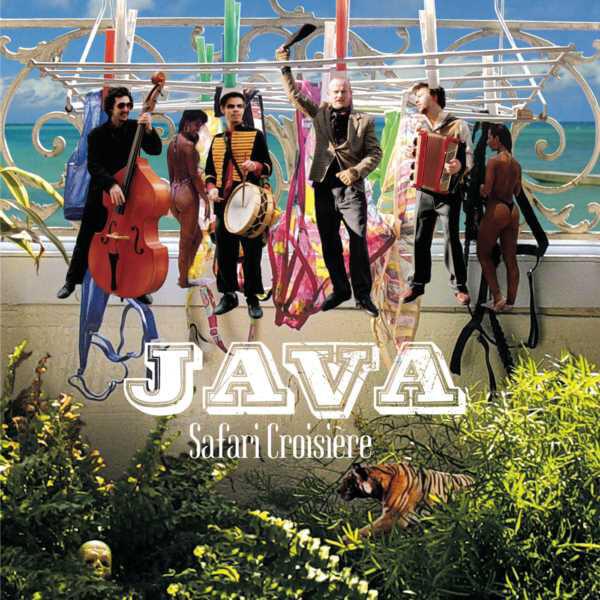
 View Artist