Song Meaning
The lyrics to "Tu paliec viena" immediately plunge into a tense, almost psychic connection between two people. The speaker claims an uncanny intuition, knowing the other's movements and thoughts before they even happen. This sets up a dynamic of deep, perhaps unsettling, intimacy, hinting at an impending, difficult decision.
A central tension emerges from the speaker's internal conflict, posed directly: "Vai man doties projām vai varbūt atgriezties?" This highlights a pivotal moment, a crossroads in the relationship. The speaker suggests that their own choice, whether to say "nē" or to "padodos" (give in/surrender), will inevitably leave the other person "viena" (alone).
The most striking craft element is the paradoxical repetition in the chorus: "Tu paliec viena, ja saku nē / Tu paliec viena, ja padodos." This isn't just a simple consequence; it's a profound statement that both resistance and surrender from the speaker lead to the same outcome of loneliness for the other. This implies the speaker's internal struggle is so consuming, or their nature so defined, that any path they take results in the other person's isolation. The phrase "Mana daba straujā" further grounds this, painting the speaker as someone impulsive and fleeting.
These lyrics are effective because they create a suffocating sense of inevitability and a profound emotional trap. The speaker's almost fatalistic acceptance ("Lai notiek, kas notiek") combined with their self-description as "pārgalvīgs" (reckless or daring) implies a powerful, perhaps destructive, force at play. The repeated declaration of loneliness for the "you," regardless of the speaker's choice, makes the emotional impact resonate deeply, suggesting a relationship where the other person's fate is entirely bound by the speaker's turbulent inner world.
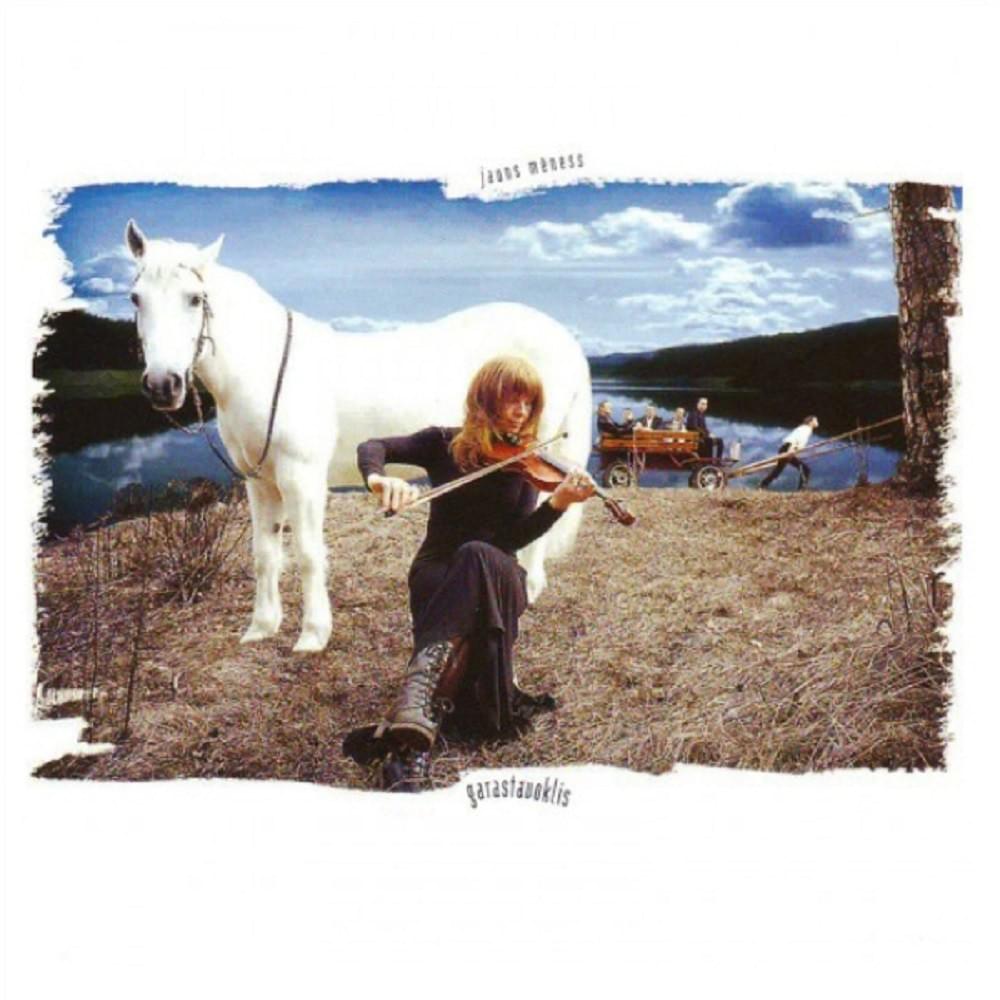
 View Artist