Song Meaning
The lyrics paint a picture of intense, almost reckless intimacy, where physical closeness is paramount. The opening lines, "Krūtis ir līdz galam vaļā / Acis pārbijušās kliedz" (Chest wide open / Eyes wide with fear scream), immediately establish a scene of vulnerability and heightened emotion, suggesting a moment where defenses are down, and raw feelings are on full display. This physical merging, "Es ar kājām Tavā daļā / Tu ar abām manējā" (My legs in your part / Yours in mine), hints at a passionate, perhaps overwhelming, connection.
The core tension seems to stem from a recurring pattern of self-inflicted emotional escalation. The narrator admits, "Es atkal esmu uzrāpies par augstu" (I've climbed too high again), followed by the visceral fear of looking down: "Man atkal bail uz leju skatīties!" (I'm afraid to look down again!). This cyclical nature, reinforced by the repeated plea "Ak dies', cik reižu vēl tā notiksies!" (Oh God, how many more times will this happen!), points to a struggle with managing intense experiences, possibly relationships or personal ambitions, that lead to a precarious emotional state.
The imagery of a "Ugunsgrēkā mati plīvo" (Hair flying in a fire) and "Vārdu plūdos kaisle slīkst" (Passion drowning in floods of words) creates a powerful sense of being consumed by the moment, where logic and reason are swept away. Yet, amidst this chaos, there's a desire for authenticity and a rejection of superficiality, as seen in "Negribās par velti dzīvot / Un par naudu arī nē!" (Don't want to live in vain / And not for money either!). This suggests a yearning for meaning beyond mere existence or material gain, even if the path to it is tumultuous.
The lyrics' effectiveness lies in their raw, unvarnished portrayal of emotional highs and lows. The narrator's admission of fear and the repeated cycle of climbing too high and being terrified of the fall resonate with the human experience of pushing boundaries and facing the consequences. The desire to "Savu ego uzupurēt" (Sacrifice my ego) and disregard external judgment underscores a deep-seated need for genuine connection, even if it means embracing the inherent risks and potential for emotional freefall.
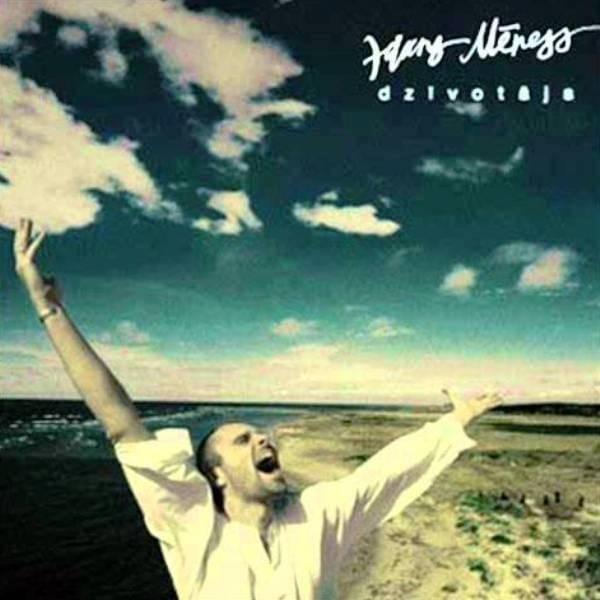
 View Artist