Song Meaning
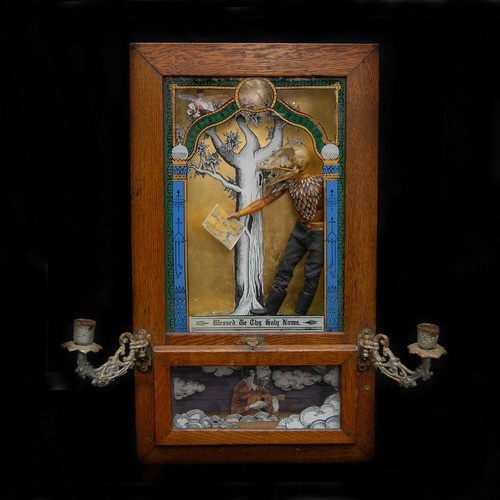
These lyrics open on a stark image: someone discovering a lily and weeping. The scene is immediately framed by natural observers—an owl and a raven in a pine—and an ancient, spectral presence, an "Old ghost in the valley, watch." This sets a melancholic, almost ritualistic tone.
The speaker's response to this sorrow is not comfort, but a series of increasingly intense, almost cosmic declarations. They promise to "drown the light, draw the star" and "follow the blues back to you," suggesting a profound, perhaps desperate, commitment to navigate or even manipulate fundamental forces in response to the other's pain. It's a striking tension between personal grief and a grand, almost mythic intervention.
The craft here is particularly potent in its use of paradoxical and visceral imagery. To "drown the light" is to extinguish what typically illuminates, while to "cut the heart and set it in new fire" implies a radical, painful transformation or rebirth. The repeated command to the "Old ghost in the valley, watch" acts as a powerful refrain, grounding these immense, almost god-like actions in a specific, observed context, lending them an air of ancient ceremony.
Ultimately, these lyrics are effective because they elevate a moment of personal sorrow into something monumental. The speaker's unwavering resolve, expressed through such extreme and evocative language, creates a sense of profound devotion and an almost terrifying commitment. It's a declaration that the speaker is willing to dismantle and remake the very fabric of existence to address the other's grief, making the listener feel like a silent witness to an epic, deeply personal ritual.
 View Artist