Song Meaning
The lyrics paint a picture of someone grappling with pervasive doubt, a force that has dictated the measure of their life and even dictated their presence at the door. There's a sense of resignation, a quiet surrender to a state of wanting less and not needing more, which halts the narrator's breath and heart. This stillness, this absence of want, waste, and fight, leads to a declaration: "This boy is Montgomery bound."
The core tension seems to lie between a past defined by self-imposed limitations and a present moment of decisive, albeit perhaps melancholic, movement. The narrator asserts agency over their mistakes, making them "on my own time," and then shifts focus to a more outward-looking scene: "let the twilight show the girls the town." This suggests a departure, a leaving behind of the internal struggle for an external experience, still under the banner of being "Montgomery bound."
The imagery of "brown-bottle eyes and the black cat's hips" adds a layer of gritty, perhaps slightly disreputable, allure to this journey. The line "The road becomes what you leave" is particularly striking, implying that the path forward is shaped not by what is taken, but by what is abandoned. This is powerfully reinforced by the repeated, almost incantatory, phrase "And my ghost ain't waiting," which signifies a complete severing from past regrets or specters, a definitive step into the unknown.
This song's effectiveness stems from its stark, almost minimalist, portrayal of internal conflict and subsequent resolution. The contrast between the suffocating weight of doubt and the liberating, if ambiguous, journey to Montgomery creates a potent emotional arc. The repetition of "my ghost ain't waiting" acts as a powerful release, confirming a decisive break from the past and embracing whatever lies ahead on the road.
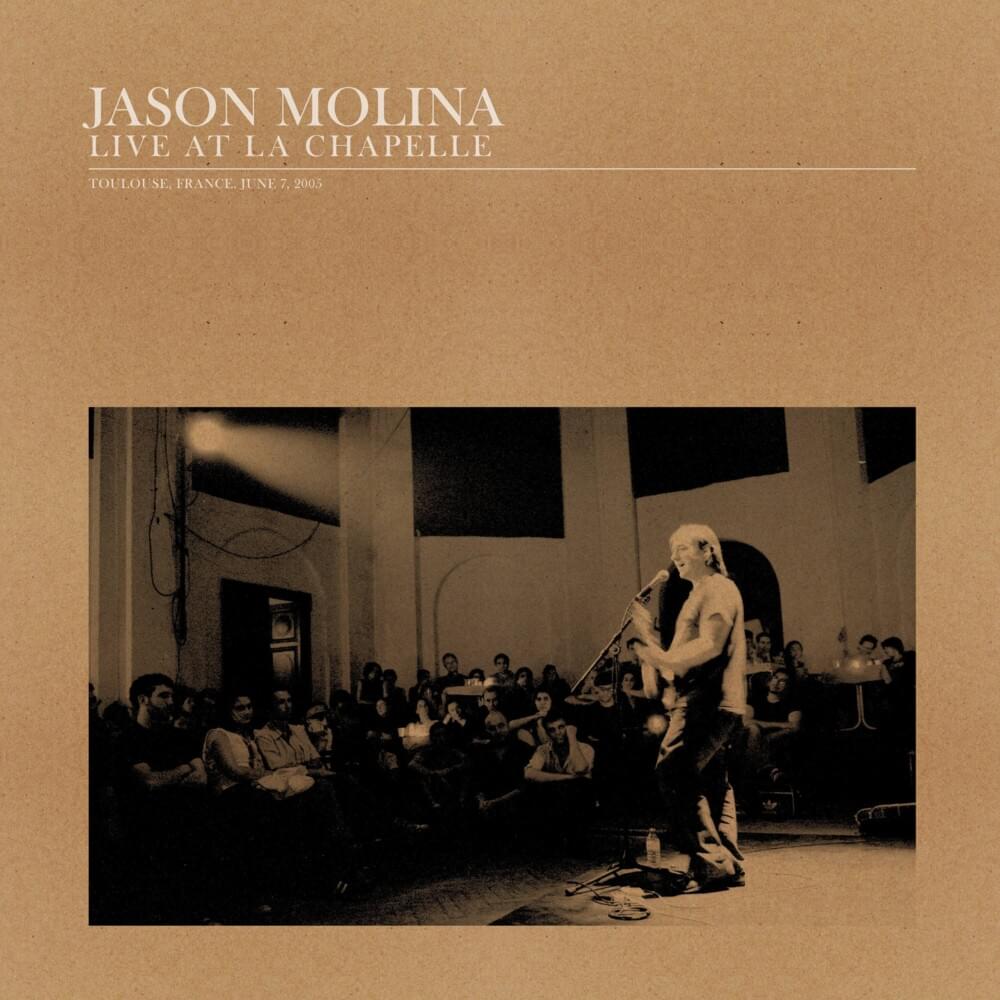
 View Artist