Song Meaning
The lyrics paint a portrait of a man, Henry, who lived life with a reckless, almost defiant, abandon. He seems to have embraced contradiction, laughing at everything but the punchline, a choice that immediately sets him apart. The narrator grapples with his essence, questioning if his impact was one of genuine impression or mere nuisance. This ambiguity fuels the central tension: was Henry a profound soul or a charmingly flawed fool?
This central conflict is embodied in his romantic pursuits and his approach to life. He's described as "hopeless and romantic, drunk on the blood of love," a phrase that captures a passionate, perhaps destructive, idealism. Despite a "heart many times broken," there's "never with regret," suggesting a resilience or perhaps an inability to learn from past pain. The narrator highlights this paradox: "always rash with wisdom outrageous and unkept," and the striking image of "talking like St. Francis in a very friendly woman's bed" encapsulates his ability to hold conflicting states of being simultaneously.
The most compelling aspect of the writing is its use of contrasting imagery to define Henry's complex character. He's "possessed with vision, eclipsed by lust," and drawn to figures who are both "Madonna" and "whore." This duality is further emphasized by the recurring, almost mantra-like declaration: "He was happy, he was happy, he was the happiest man on earth." This happiness, juxtaposed with his tumultuous life, feels earned through an unconventional lens, like a "junkyard sunflower" finding its own kind of beauty and resilience.
Ultimately, the lyrics resonate because they capture the allure of a life lived fully, even in its messiness. The narrator's uncertainty about Henry's true nature – impression or nuisance, Madonna or whore – mirrors our own fascination with people who defy easy categorization. The persistent assertion of his happiness, despite his broken heart and "fell from grace with abandon," suggests that true contentment might be found not in perfection, but in the courageous embrace of one's own inherent contradictions.
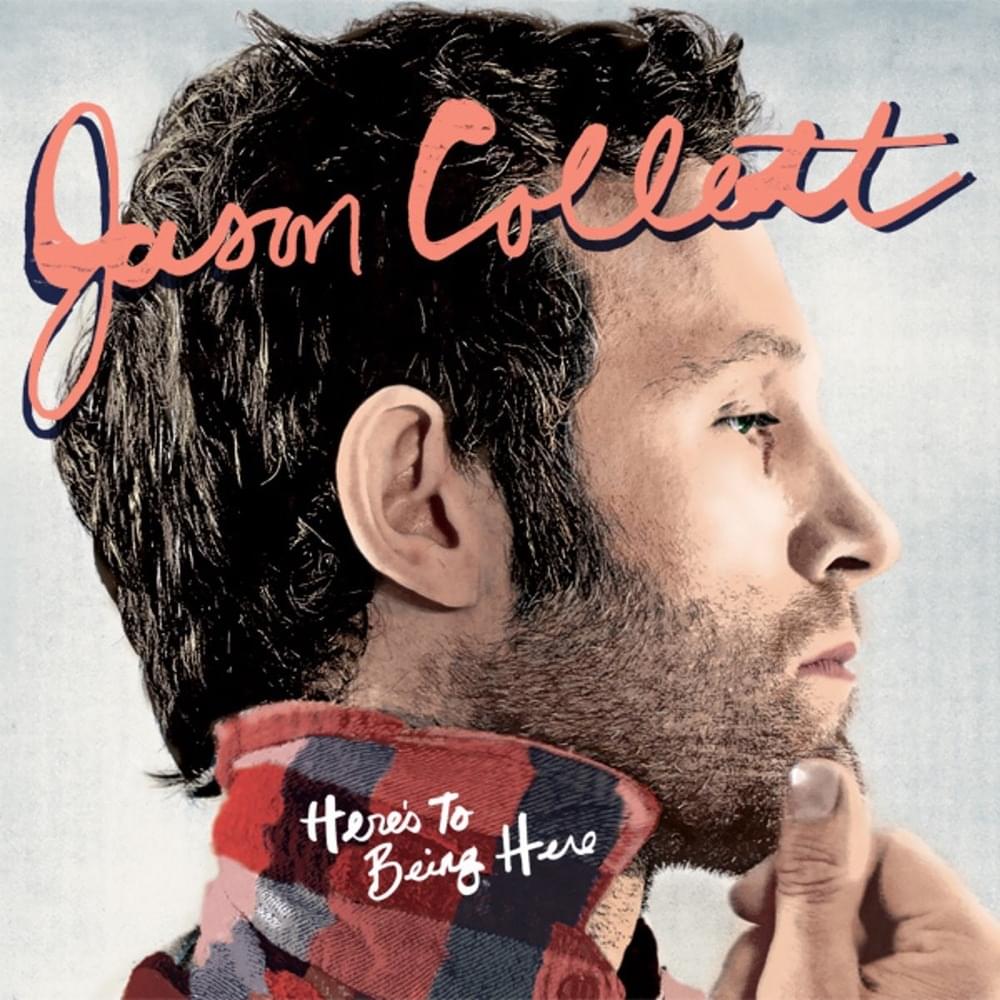
 View Artist