Song Meaning
Jason Castro's rendition of "Over the Rainbow" isn't just a cover; it's an articulation of yearning, a sonic exploration of the universal desire for something more. The song, already deeply embedded in our collective consciousness, taps into the fundamental human drive to transcend limitations, whether those are emotional, circumstantial, or self-imposed. Castro's delivery, imbued with a gentle vulnerability, enhances the inherent longing within the lyrics. The 'rainbow' becomes a potent symbol, not just of hope, but of a tangible, albeit distant, possibility. It's a place where dreams aren't just fanciful notions, but realized realities. The lullaby quality of the opening lines suggests a connection to childhood innocence, a time when belief in the extraordinary felt effortless.
The core tension in "Over the Rainbow," and what Castro's interpretation amplifies, lies in the question, "Why then, oh why can't I?" This isn't mere wistfulness; it's a direct confrontation with perceived personal inadequacy. The bluebirds, symbols of happiness and freedom, effortlessly navigate this idyllic space, highlighting the singer's own sense of confinement. The imagery of 'troubles melt[ing] like lemondrops' evokes a childlike simplicity, a desire to return to a state of uncomplicated joy. The 'chimney tops' offer a grounding element, a reminder of home and hearth, yet even that familiarity is juxtaposed with the fantastical promise of what lies beyond the rainbow.
Ultimately, Jason Castro's version of "Over the Rainbow" functions as both an anthem of hope and a lament of present circumstances. It's a reminder that the pursuit of dreams often involves grappling with feelings of inadequacy and the persistent question of 'why not me?' The song's enduring appeal stems from its ability to resonate with this internal struggle, offering solace in the shared human experience of striving for something just out of reach. It subtly acknowledges the tension between the desire for escapism and the longing for belonging, suggesting that perhaps the 'land over the rainbow' isn't a physical place, but a state of mind attainable through belief and perseverance.
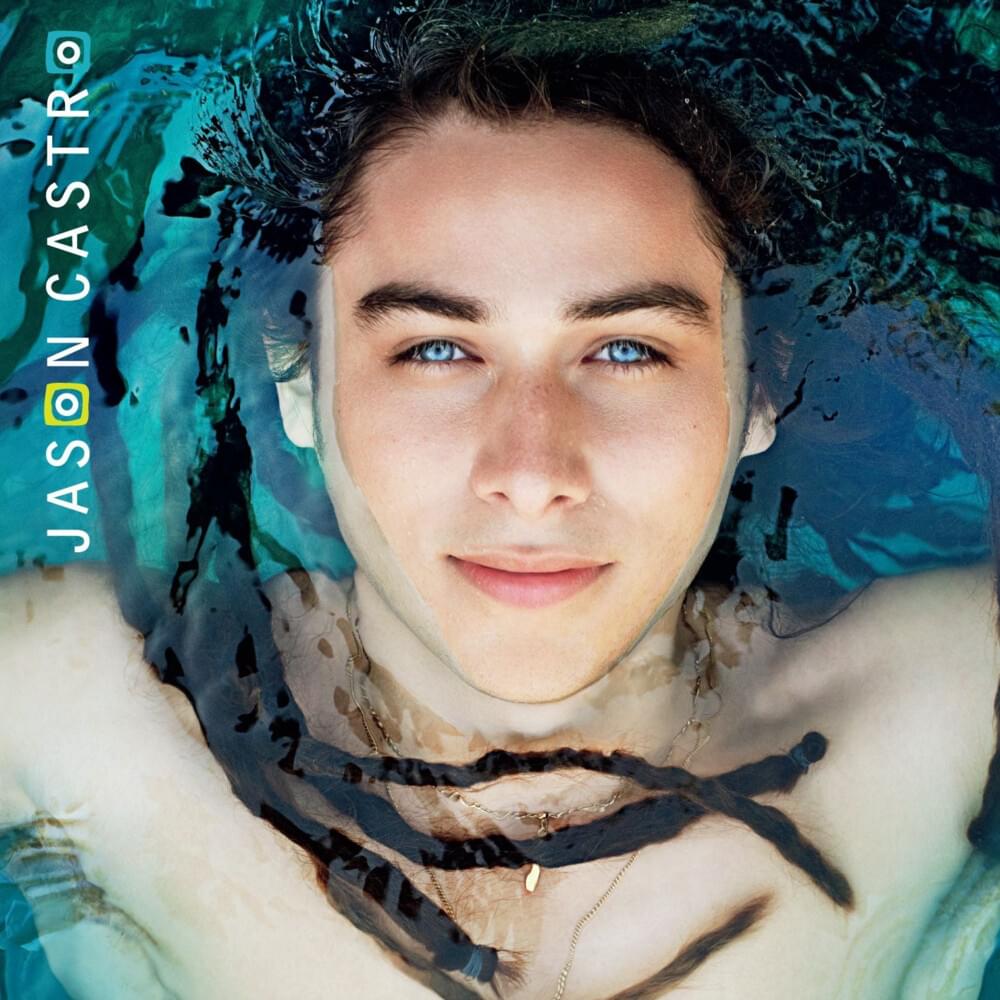
 View Artist