Song Meaning
The lyrics paint a picture of someone trying to comfort a loved one, urging them to embrace joy and shed their sadness. The narrator insists life is beautiful, comparing the subject to a lovely flower, and directly commands them to "Raduj se sa mnom, život je lep" (Rejoice with me, life is beautiful). This opening sets a tone of gentle persuasion and hopeful reassurance.
The central tension lies in the narrator's fierce determination to shield the subject from sorrow, particularly loneliness and tears. The repeated refrain, "Zabraniću suzama da se druže s nama" (I will forbid tears from being friends with us), and "Greh je ti da plačeš i da spavaš sama" (It is a sin for you to cry and sleep alone), highlights this protective impulse. The word 'sin' elevates the act of suffering to something morally wrong, emphasizing the narrator's conviction that such pain is unnecessary and unacceptable.
The craft here is in the direct, almost absolute, pronouncements. The narrator doesn't just offer comfort; they declare their intention to actively 'forbid' tears and loneliness. This is further amplified by the second verse, where the narrator reveals shared past hurt: "Ako te ljubav ranila, dušo / Onda smo isti, i ja sam taj" (If love wounded you, darling / Then we are the same, I am that one). This shared experience seems to fuel the narrator's resolve to end their mutual suffering, making the promise to "Patnjama našim da dođe kraj" (Let our sufferings come to an end) feel deeply personal and urgent.
This lyrical approach is effective because it moves beyond simple empathy to a proactive, almost defiant stance against sadness. The narrator's desire to be a source of healing and companionship is palpable, especially in the final verse's plea, "Budi uz mene, biću uz tebe" (Be with me, I will be with you). The intensity of "Gorim od želje da budem tvoj" (I burn with desire to be yours) underscores the depth of feeling behind the promise to banish tears, making the offer of a shared, joyful future feel compelling.
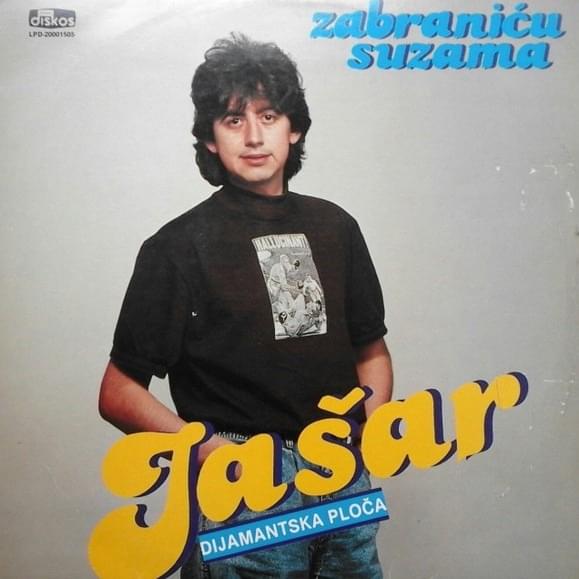
 View Artist