Song Meaning
The lyrics paint a stark portrait of someone trapped by their own cynicism, refusing to believe in anything they can't empirically verify. This narrator is characterized as a "doubting Thomas," someone who needs tangible proof, playing into a "cynical" and "logical" nature that actively pushes away potential peace or love. The repeated action of "fight, and retreat" suggests a defensive posture, a self-sabotaging cycle where belief is constantly undermined before it can take root.
The central tension lies in this refusal to engage with the intangible, particularly love, which the narrator deems unbelievable because it lacks a visible "reason." This skepticism isn't passive; it's an active process of "talk[ing] yourself out of believing" and even "crucify[ing] and den[ying]" possibilities. The imagery of "wip[ing] the stains" and "wash[ing] your hands" after causing destruction implies a desire for a clean slate, yet it's achieved by eradicating any trace of what was rejected, rather than by embracing it.
The most striking element is the stark, repetitive chorus: "Blind words you call / Blind words will fall." This phrase powerfully connects the narrator's internal state to external consequences. The "blind words" are not just spoken; they are actively "called" into existence, suggesting a self-fulfilling prophecy. When these words, born of a refusal to see, "fall," it implies their inevitable collapse or failure, leaving only "dust" and a void where belief could have been.
This lyrical construction is effective because it grounds abstract cynicism in concrete, almost violent, actions. The contrast between the desire for peace and the active destruction of its possibility creates a palpable sense of loss. The repeated "blind" serves as a constant reminder of the narrator's self-imposed limitation, making the eventual "fall" of their own words feel like an inevitable, tragic outcome of their own making.
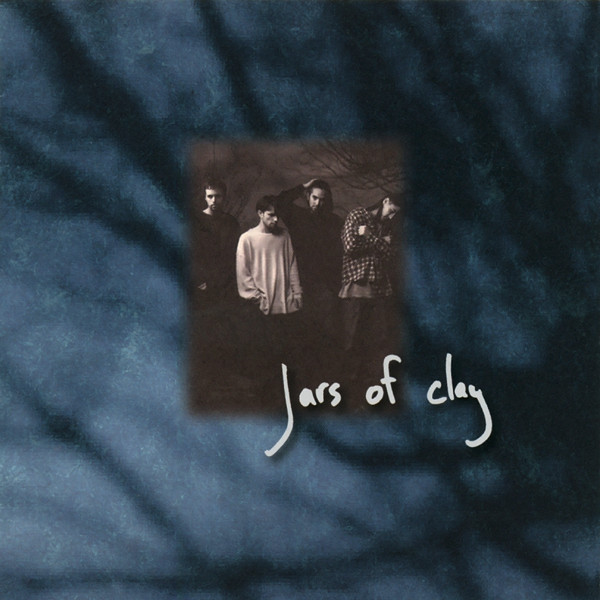
 View Artist