Song Meaning
The lyrics paint a stark picture of a world consumed by conflict, where the narrator's personal grief and loss overshadow any grander destruction. Even amidst the sounds of war – the "buzz of leaden bees" and the "rumbling of cannons" – the dominant auditory experience is the "quiet weeping" of a loved one. This suggests a profound internal focus, where the personal tragedy is the only reality that truly registers, dwarfing the external chaos.
The central tension lies in the narrator's imagined response to widespread devastation. If soldiers were drinking and burning foreign homes, the narrator wouldn't see the "fiery glow of fires" but rather a "sad face." This is a powerful inversion; the imagined sight of the loved one's sorrow is more potent than the spectacle of burning buildings. The comparison, "As if I had set our house on fire," further blurs the line between external destruction and personal culpability or shared suffering.
The most striking craft element is the persistent conditional "kdyby" (if/would that), which structures the entire piece. This creates a hypothetical space where the narrator grapples with immense loss. The imagery of frost-covered windows and doors like a dam, "Na věky zůstal bych už sám" (Forever I would remain alone), solidifies the sense of irreversible isolation. The repetition of "slyšel bych" (I would hear) and "viděl bych" (I would see) emphasizes how the narrator's perception is entirely filtered through this personal lens of grief.
These lyrics hit hard because they articulate a universal human experience: how personal heartbreak can render the world's grandest tragedies insignificant. The writing masterfully uses hypothetical scenarios to reveal a deep, unwavering emotional core. The focus isn't on the war itself, but on how the narrator's internal landscape of loss dictates their entire perception of external events, leading to a powerful sense of profound, inescapable solitude.
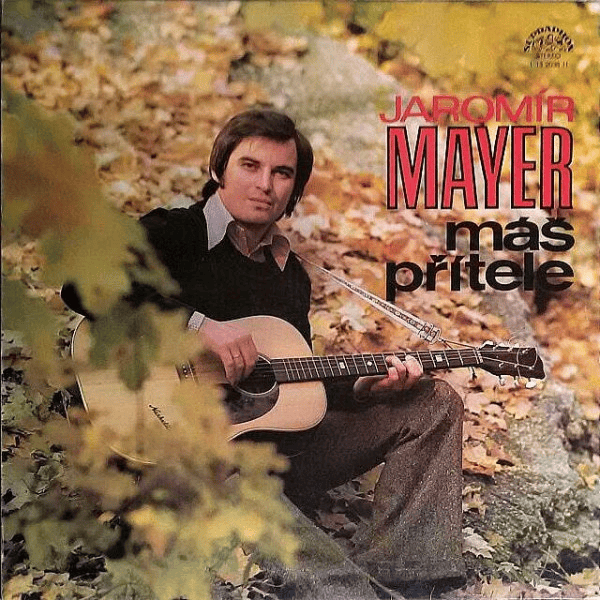
 View Artist