Song Meaning
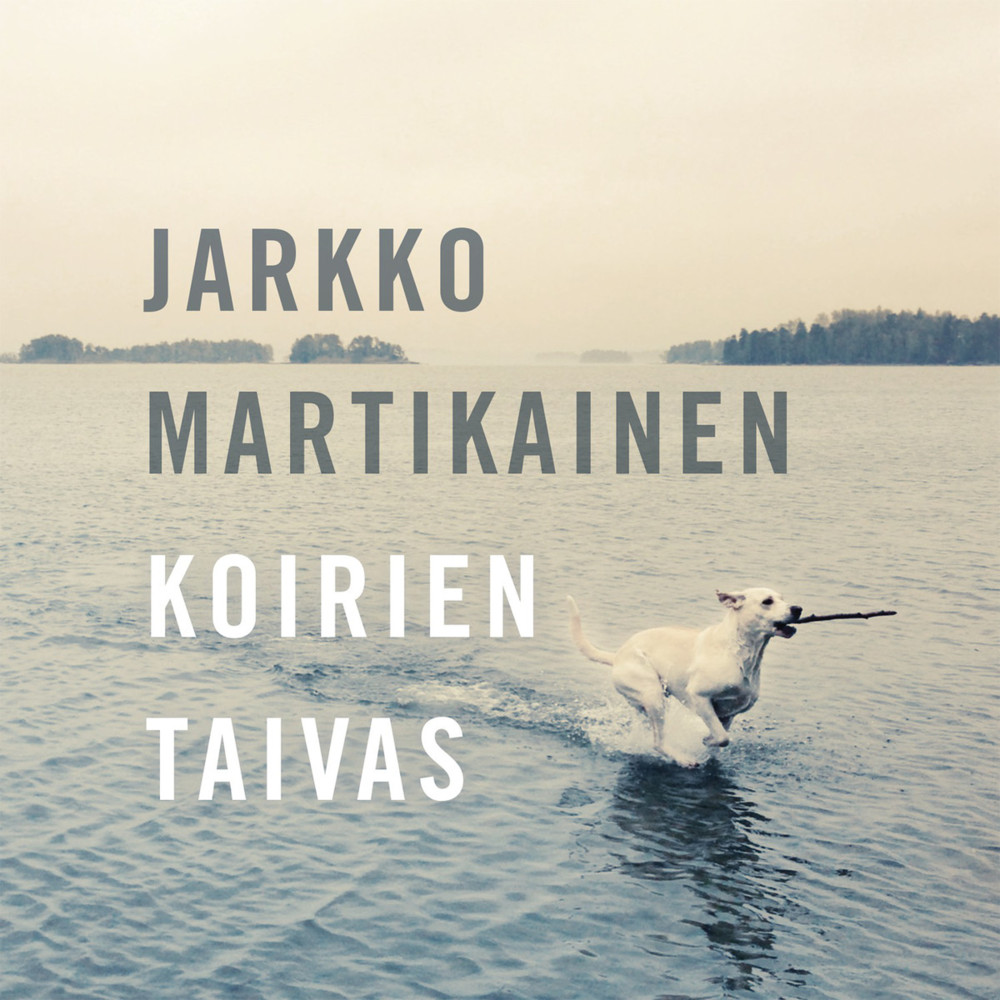
This song paints a picture of a peaceful departure, a gentle transition from earthly troubles to a promised, idyllic afterlife. The narrator finds solace in the idea of a place beyond, a "Koirien taivas" (Dog Heaven), where present-day imperfections and struggles will be washed away. It’s a vision of relief and reunion, a simple yet profound escape from the messiness of life.
The core tension lies in the contrast between the current, imperfect world and the idealized future. The lyrics acknowledge earthly existence is marked by potential hardship: "Herra saa huutaa" (The Lord can shout) and children might throw mud. Yet, the promise is that these stains, both literal and metaphorical, will be cleansed. This anticipation of purification and peace is the driving force behind the narrator's desire to move on.
The most striking element is the recurring image of "Koirien taivas." It’s not just a generic heaven; it’s a specific, comforting destination where friends will be found and a never-ending feast awaits. This personalized, almost whimsical, vision of the afterlife, complete with a "noutopöytä" (buffet table), makes the concept of death feel less daunting and more like a welcoming reward. The phrase "Jokainen kerran valkeuteen vie" (Everyone will one day be led to whiteness) reinforces this sense of inevitable, cleansing arrival.
Ultimately, the lyrics resonate because they offer a straightforward, hopeful perspective on mortality. The craft lies in its simple, direct language and the potent, comforting imagery of a perfect, worry-free existence. It’s the quiet certainty of finding peace and belonging that makes this vision of "Koirien taivas" so emotionally effective.
 View Artist