Song Meaning
The lyrics paint a vivid picture of past vulnerability and present solace, anchored by a powerful, intimate connection. The narrator recalls a childhood hiding place, a desperate need for understanding, and a moment of near-fall on a slippery rock face. This imagery of precariousness and shame is directly contrasted with the act of reaching out and being pulled to safety, finding refuge in another's embrace. It establishes a foundation of deep-seated insecurity that is being soothed in the present.
The central tension lies between the lingering memory of past hurts and the profound comfort found in the current relationship. The narrator remembers the sting of first love ending in darkness, weeping against a shoulder, highlighting a history of emotional pain. Yet, the recurring phrase "Sinä kuljet vierelläni" (You walk beside me) and the assertion "Tunnet minut paremmin kuin tuntee kukaan muu" (You know me better than anyone else) underscore a present state of being deeply understood and supported. This contrast between past sorrow and present security is the emotional engine of the song.
The most striking craft element is the persistent metaphor of the slippery rock face. It serves as a powerful image for moments of personal crisis, where the narrator feels exposed and on the verge of collapse. The act of clinging to a hand and being pulled up into a lap signifies a rescue from this internal precariousness. The repeated questioning, "Mietin miltä mahtaa näyttää lapsuusmetsän puut" (I wonder what the trees of the childhood forest look like), adds a layer of wistful reflection, perhaps suggesting a longing for the innocence or safety associated with those early memories, now re-contextualized by the present relationship.
Ultimately, the lyrics resonate because they articulate a universal human need for profound connection and acceptance, particularly after experiencing hurt. The writing effectively uses concrete imagery of physical danger and rescue to represent emotional states. The direct address and the repeated affirmation of being known "better than anyone else" create an intimate and reassuring atmosphere, making the narrator's journey from past vulnerability to present peace feel deeply earned and profoundly moving.
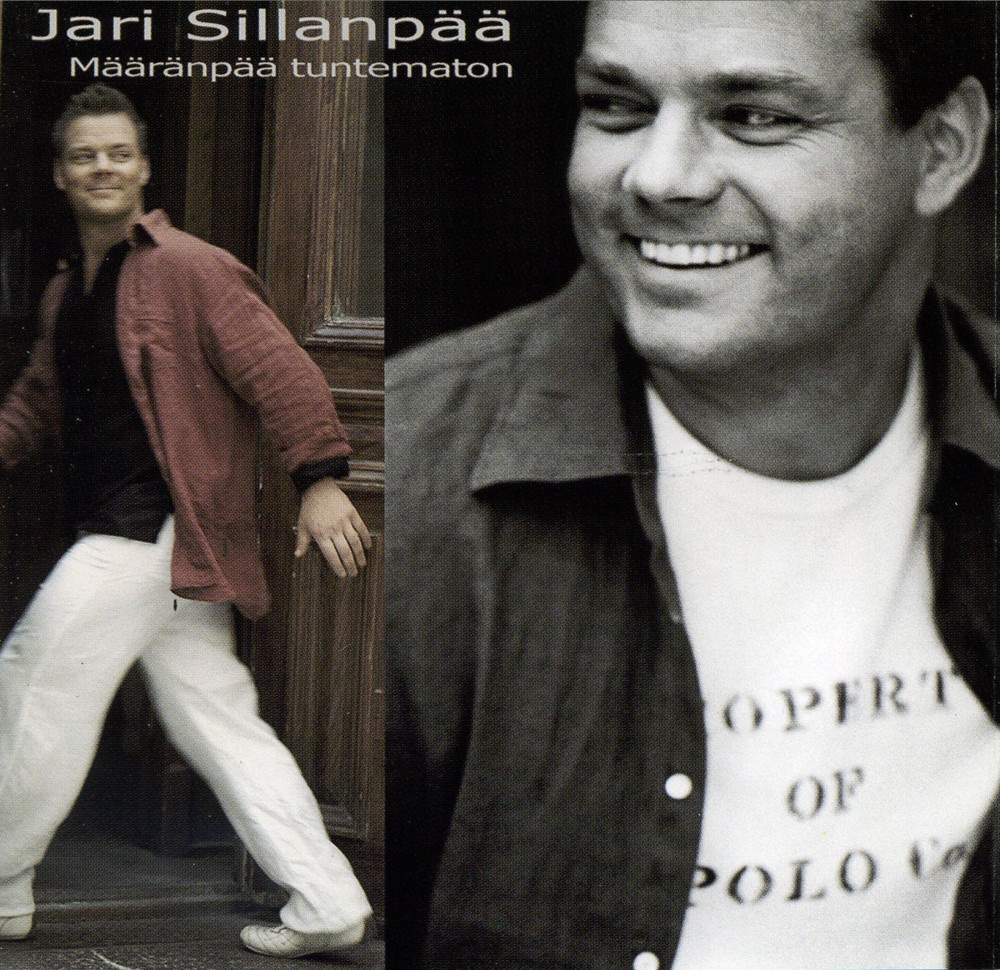
 View Artist