Song Meaning
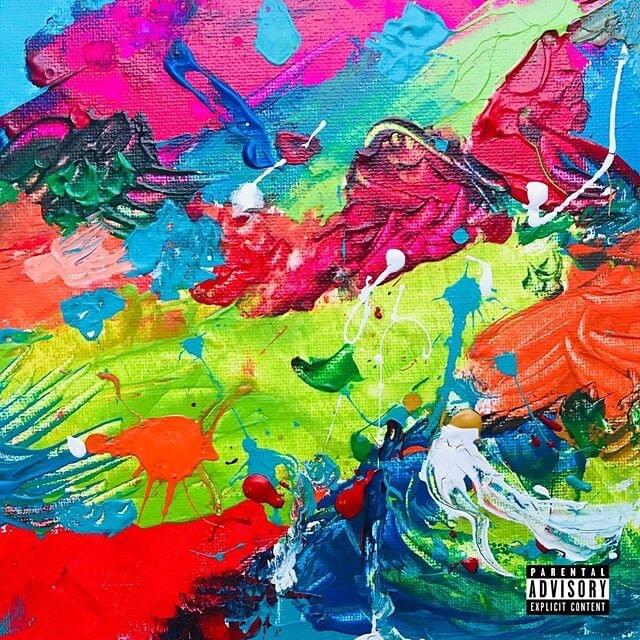
The narrator kicks off with a drive for constant improvement, a relentless pursuit of getting "better and better" through evolution and reinvention. This push, however, seems to come with a sense of being "fed up," hinting at the exhausting nature of this self-imposed pressure. The craft here is in the self-description: the narrator sees themselves as an "artist that'll probably vanish," someone who "put that shit together" like adhesive, spilling their work onto a "canvas." This imagery suggests a creative process that is both deliberate and perhaps fleeting.
The core tension emerges from the contrast between this outward drive and an internal struggle, a mind that is "haunted" and "wanted" for its "Jagged Little Pills." The narrator finds solace only in a specific person, who "calms me down / When I'm not around." This dependency highlights a vulnerability beneath the surface of ambition, suggesting that external validation or internal peace is hard to come by without this other presence.
What's particularly striking is the narrator's self-awareness of their own potential for imitation and confinement. They feel like a "product of the party," surrounded by "replicas" and "carbon copies." The line "I spit a sentence cause i'm living in a pen / Behind bars" powerfully captures this feeling of being trapped, even while creating. The repetition of "Two" at the end of the verse, coupled with "nothing ever gon cut us in two," offers a glimmer of hope, suggesting that this shared confinement or connection is the only thing that provides stability or a sense of being indivisible.
This lyrical construction is effective because it grounds abstract feelings of artistic ambition and mental unease in concrete, relatable imagery. The juxtaposition of wanting to "raise the bar" with feeling "behind bars" creates a compelling internal conflict. The reliance on a specific "you" for calm anchors the emotional narrative, making the narrator's struggle feel intensely personal and immediate, even as they grapple with broader themes of authenticity and entrapment.
 View Artist