Song Meaning
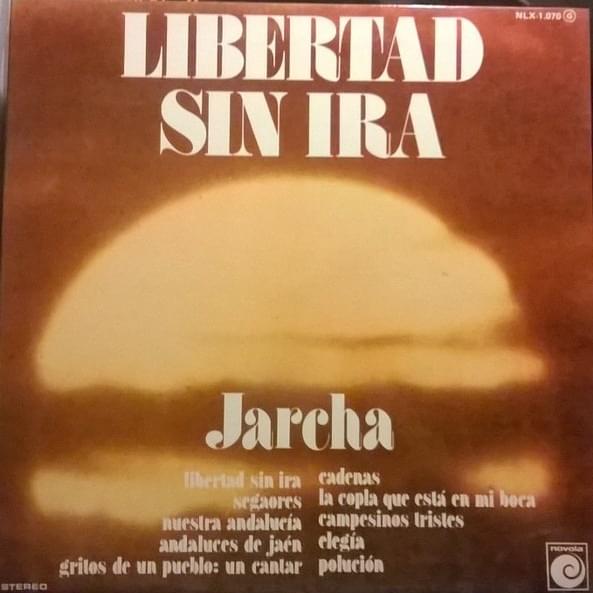
This song opens with a direct address to the "Andaluces de Jaén," specifically the proud olive pickers, asking a fundamental question about the origin of their iconic olive trees. The immediate tone is one of deep respect and a search for ancestral knowledge, setting up a narrative that looks beyond simple explanations for the landscape's defining feature. The repetition of "Andaluces de Jaén" and the plea "Decidme en el alma quién" grounds the inquiry in a specific place and a profound, almost spiritual, curiosity.
The lyrics quickly pivot to answer the initial question, rejecting notions of chance or external benefactors like "el señor" or "el dinero." Instead, the origin is attributed to the "tierra callada" (silent earth), hard work, and sweat, a powerful testament to human effort and connection to the land. This establishes a core tension between the seemingly effortless beauty of the olive groves and the immense, often unseen, labor that created them. The "agua pura" and "planetas unidos" further elevate this creation, suggesting a cosmic and elemental force working in tandem with human endeavor.
The most striking aspect is the lyrical depiction of time and labor. The phrase "Cuántos siglos de aceituna" evokes a deep historical lineage, while "los pies y las manos presos" and "Sol a sol y luna a luna" paint a vivid picture of relentless, cyclical toil. This imagery of being "imprisoned" by the work, enduring day and night across centuries, underscores the profound sacrifice embedded in the landscape. It transforms the olive trees from mere agricultural products into monuments of enduring human struggle and resilience.
Ultimately, the song's power lies in its ability to connect the present generation to the past through the tangible legacy of the olive groves. The final verses serve as a call to arms, urging Jaén to rise "brava" and not become "esclava" to its own heritage, implying a need to honor and protect the land and the labor it represents. The lingering question, "De quién son estos olivos..." is not just about ownership, but about recognizing the deep, ancestral claim of those who toiled to make them grow.
 View Artist