Song Meaning
This serenade paints a picture of unwavering devotion against a backdrop of unrequited love. The narrator stands beneath a window, a classic romantic gesture, singing to declare his affection. He immediately acknowledges the harsh reality: "Tú a mi no me quieres nada" (You don't love me at all). Yet, this stark contrast fuels his own intense feelings, stating "Pero yo por ti me muero" (But I die for you). The opening lines establish a poignant tension between the singer's passionate heart and the beloved's cold indifference.
The lyrics reveal a deep-seated belief in destiny and eventual reciprocation, despite external skepticism. Others dismiss his pursuit as foolish, telling him to "despierte de mis sueños" (wake from my dreams). However, the narrator refutes this, confidently asserting, "Porque yo he de ser tu dueño" (Because I will be your owner). This isn't possessiveness in a negative sense, but a conviction that their fates are intertwined and that she will eventually be his. The repeated refrain, "Qué voy a hacer / Si de veras te quiero / Ya te adoré / Y olvidarte no puedo" (What will I do / If I truly love you / I already adored you / And I can't forget you), underscores this helplessness and the inescapable nature of his feelings.
The song cleverly uses hyperbole to highlight the perceived obstacles and the narrator's commitment. People claim he needs "una fortuna" (a fortune) or to "bajar del cielo / Las estrellas y la luna" (bring down from the sky / The stars and the moon) to win her over. He dismisses these grand, impossible tasks, suggesting that his genuine love, even without wealth, will eventually win her heart "poquito a poco" (little by little). This contrast between fantastical requirements and his simple, persistent affection is a key element of the song's charm and emotional resonance. The narrator's focus remains singular: "Pero ninguna me importa / Solo pienso en ti, morena" (But none matter to me / I only think of you, dark-skinned girl), emphasizing the depth of his singular fixation.
Ultimately, the effectiveness of "Serenata Huasteca" lies in its raw, almost desperate sincerity. The narrator lays bare his vulnerability, acknowledging the pain but refusing to yield. The plea in the latter half, "El pobre [corazón] mucho ha sufrido / Ahora tienes que quererlo" (The poor [heart] has suffered a lot / Now you have to love it), transforms the song from a simple declaration into an appeal for compassion. It’s this blend of romantic idealism, stubborn hope, and emotional honesty that makes the serenade so compelling.
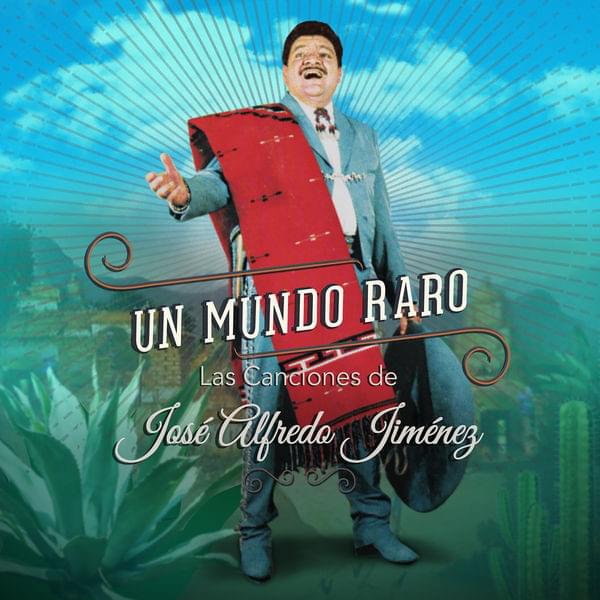
 View Artist