Song Meaning
Jann Arden's "Yeah You" isn't just a love song; it's a stark portrayal of the push and pull between wanderlust and the gravitational force of home, personified by a significant other. The opening lines paint a picture of constant motion – taking off, touching down, setting sail – a life perpetually in transit. Yet, this nomadic existence is fueled by a dependence, "one more for the road," hinting at a deeper reliance on something, or someone, to simply stay afloat amidst the chaos. The inherent loneliness of this lifestyle is palpable; Arden confesses to being "always gone, never here," a sentiment that resonates with anyone who's chased a dream at the expense of personal connection. The desire to "disappear with you" isn't a whimsical fantasy but a desperate yearning for stability, a refuge from the suffocating atmosphere of a life lived in transit.
The recurring motif of movement underscores the central conflict. The singer is "sick and tired of moving round" but seemingly unable to stop, fearing that this constant displacement is eroding the very foundation of the relationship. The stark image of love potentially "dislocating" reveals a deep-seated anxiety about the unsustainable nature of her current existence. The lines "I'm lonely when I'm not alone / Cause I'm out here and you're my home" crystallize the song's core message: home isn't a place but a person. The repetition of "Yeah, you!" is not just an affirmation but an almost desperate plea, a recognition of the anchor that prevents her from completely drifting away.
Ultimately, the song meaning of "Yeah You" lies in the agonizing choice between personal ambition and the profound comfort of love and belonging. Arden's lyrics lay bare the emotional toll of a life lived on the move, constantly torn between the allure of the open road and the undeniable pull of home. The poignant repetition of the opening lines at the close emphasizes the cyclical nature of this conflict, suggesting that the journey, for now, continues, but the destination remains clear: it's always been about 'you'.
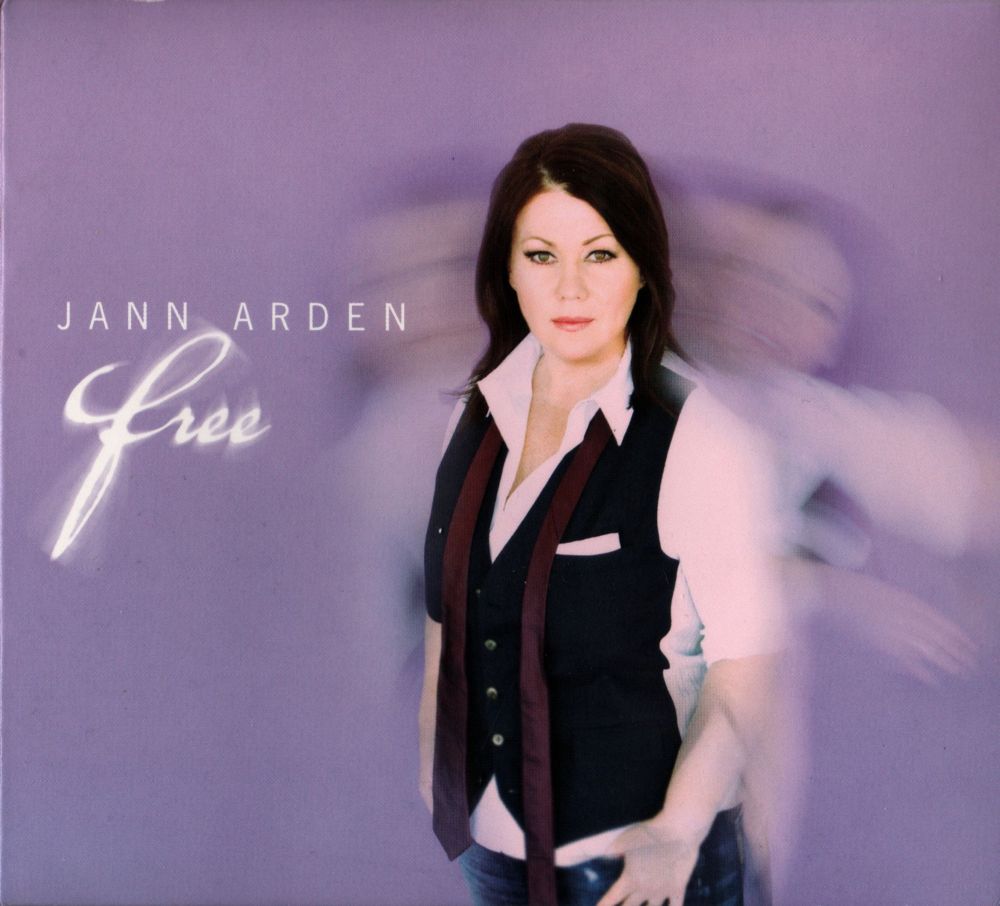
 View Artist