Song Meaning
The lyrics paint a stark portrait of an encroaching, dehumanizing force, addressed directly with the repeated, disorienting question, "Kas tu esi?" (Who are you?). This entity is defined by its absence of senses and language: "Bez acu, bez ausu, bez valodas?" (Without eyes, without ears, without language?). Its presence is a suffocating, destructive force, described as "melna migla" (black fog) and "melni vēji" (black winds) that erode the soul and snatch away hopes. The sheer scale of its destructive power is conveyed through the image of "tūkstoš pēdu" (a thousand feet) that crush what is precious, like "Jāņzāles" (St. John's wort), a plant often associated with summer solstice celebrations and vitality. This nameless, faceless threat seems intent on homogenizing everything it touches, making all others "līdzīgus sev" (similar to itself).
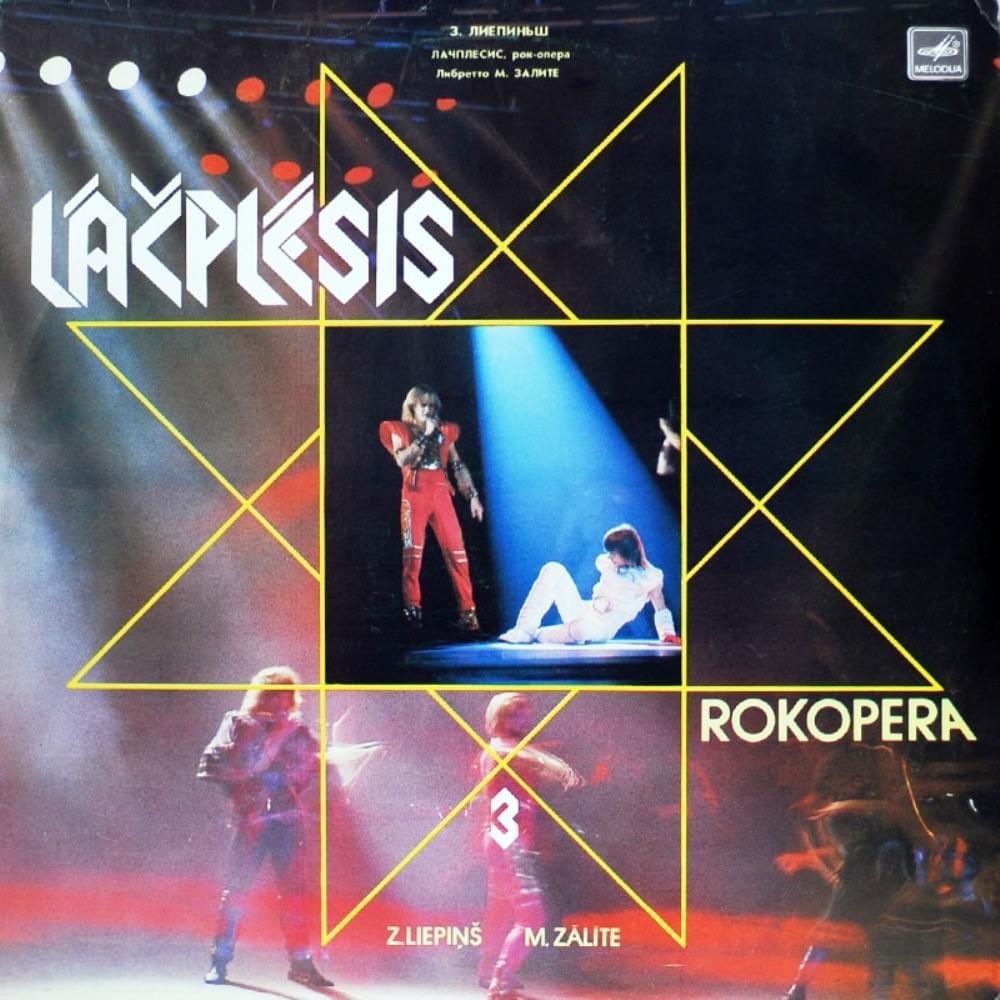
The narrative then shifts dramatically with the appearance of a "mazs bērniņš" (small child) playing at the crossroads, oblivious to the danger represented by "ratus" (carts) and "dzelžu pēdas" (iron feet). This child, a potent symbol of innocence and the passage of time, becomes a focal point for the narrator's desperate plea. The child's struggle with time, like "smiltis" (sand) slipping through fingers, mirrors the fragility of freedom and life itself. The narrator, Lāčplēsis, hears the child's call, clinging to his own senses and language – "valoda un vārds" (language and word) – as a defiant stand against the encroaching void.
The most striking aspect of the writing is the contrast between the abstract, overwhelming dread of the antagonist and the concrete, vulnerable image of the child. The antagonist is a void, a negation of being, while the child is pure potential and present existence. Lāčplēsis's response is not to fight the void directly, but to amplify the child's voice, to hold onto the very things the antagonist lacks: communication and selfhood. The plea "Sauc mani skaļāk, bērniņ, sauc!" (Call me louder, child, call!) is a desperate act of preservation, an attempt to anchor reality through connection and sound against an overwhelming silence.
This lyrical construction is effective because it grounds an existential threat in tangible, relatable imagery. The terror isn't just abstract; it's the crushing of delicate plants, the erosion of foundations, the loss of self. The narrator's salvation hinges on the innocent call of a child, a powerful evocation of hope and the enduring human need for connection and voice in the face of oblivion. The repetition of the child's call and Lāčplēsis's affirmation of his own senses creates a powerful, urgent rhythm that underscores the stakes of this internal and external battle.
 View Artist