Song Meaning
These lyrics paint a tender portrait of enduring love, framed by the passage of time and the tangible evidence of aging. The opening verse immediately establishes a sense of nostalgia, with faded photographs serving as a potent symbol for memories that, despite their physical decay, hold a constant emotional truth. The narrator's declaration, "I loved you then, I love you still," is a simple yet powerful anchor, suggesting a love that transcends superficial changes. It's a quiet acknowledgment of commitment, a steady gaze fixed on a beloved figure across the years.
This steadfast affection is further explored through the imagery of physical aging in the second verse. "Aging hearts and shaking knees" are met not with weariness, but with a surprising resilience: "Moving parts still bend with ease." This suggests that the narrator's love hasn't just endured; it's deepened, with age improving the 'song' of their feelings. The contrast between physical decline and the sustained, even enhanced, emotional connection is central to the song's gentle power. It's a testament to a love that finds beauty in imperfection and growth.
The bridge offers a direct, almost playful, affirmation of the beloved's continued beauty, framing time not as a destroyer but as an enhancer. The narrator observes that "lines that time withstood" only add to their allure, directly contradicting the common anxieties about aging. The phrase "I knew you would" carries a knowing warmth, a quiet confidence in the enduring appeal of the person they love. This section shifts the focus from the narrator's enduring love to the beloved's evolving, and increasingly captivating, presence.
Ultimately, the lyrics articulate a profound realization: a photograph, a static representation of a moment, can never capture the dynamic, living essence of the person. "A photograph can never be / The song you are to me" is a beautiful closing statement. It elevates the beloved from a mere subject of memory to a vibrant, ongoing melody, a love that is felt and lived rather than just observed. The song's effectiveness lies in its gentle, unpretentious language, which allows the profound depth of enduring affection to shine through.
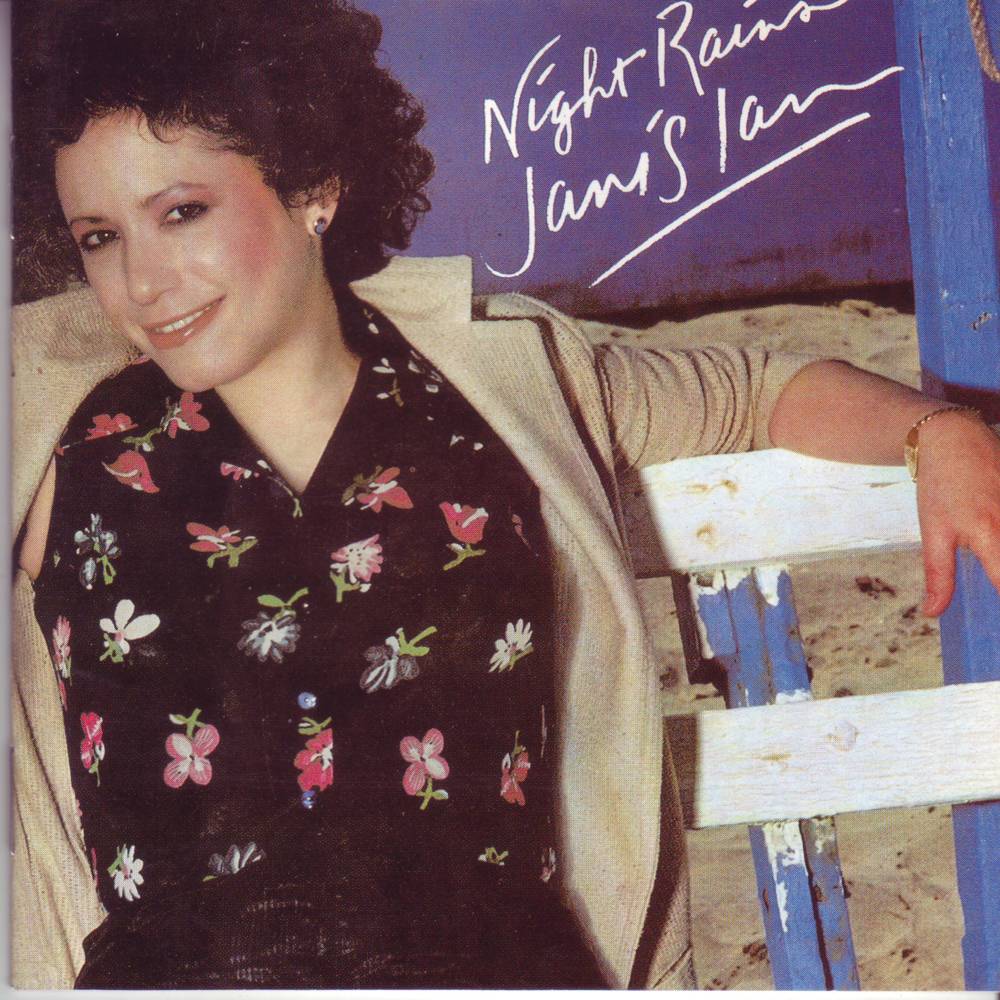
 View Artist