Song Meaning
The lyrics paint a stark picture of being trapped in a world devoid of light, where the narrator feels consumed by fate and confined by darkness. They describe running blindly through painful times, illuminated only by the cold glow of a "lonely night." This sense of isolation is amplified by the imagery of a "sad clown's smile" and the feeling of being watched, suggesting a performance or a facade maintained under duress. The core tension arises from this feeling of being perpetually observed while simultaneously being lost in a suffocating environment.
The central conflict appears to be the narrator's struggle with their own identity and existence, encapsulated by the repeated phrase "I'm stuck in the mirror." This isn't just about self-reflection; it's about being trapped with an "other self" that must be awakened to survive. The act of dancing, presented as a response to this confinement, feels less like liberation and more like a desperate, programmed reaction to maintain existence. The plea, "Don't try to break my mirror," underscores the fragility of this imposed reality and the fear of what lies beyond it.
The most striking craft element is the juxtaposition of internal turmoil with external performance. The narrator claims their life and breath are "burning" until they stop, yet they are "stuck in the mirror" and "dancing." This creates a profound sense of disconnect between a potentially passionate inner self and a controlled, perhaps hollow, outward presentation. The "sad clown's smile" is a potent image for this, hinting at a forced cheerfulness masking deep sorrow. The lyrics suggest this duality is a survival mechanism, a way to "keep me alive" despite the overwhelming darkness and "unseen, fearful, murky truth."
Ultimately, the effectiveness of these lyrics lies in their raw portrayal of existential dread and the desperate measures taken to endure it. The repetition of "I'm stuck in the mirror" and the defiant "I DO" shouted in the face of meaningless questions highlight a will to exist, however performative. The narrator's insistence on not breaking the mirror, even as their life burns out, speaks to a profound fear of the void, suggesting that even a trapped existence is preferable to none at all. The song captures the unsettling feeling of being both the performer and the captive audience of one's own life.
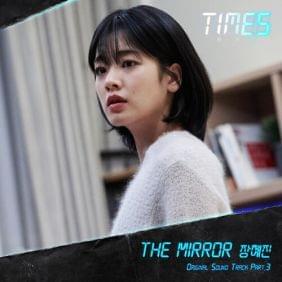
 View Artist