Song Meaning
The lyrics paint a picture of a relationship where genuine connection feels impossible, despite an undeniable pull. The opening lines, with the stillness of the clouds and clock contrasted against an unseen wind embracing someone, immediately establish a sense of external force acting upon internal feelings. This external force, the 'wind,' seems to be the catalyst for the heart's movement and subsequent disappearance, leaving a 'small hole' and an immediate pain that must be masked with composure. It’s a scene of quiet desperation, where outward calm hides inner turmoil.
The core tension lies in the shared inability to truly be 'known' or 'entered' by another person, a struggle articulated in the repeated phrase "我們都不擅長被人" (We are not good at being [known/loved]). The lyrics describe a defense mechanism: locking the 'door to the heart' and 'holding on with the body's shell,' a performance of endurance that feels hollow. This pretense is so transparent that the other person knows the truth, creating a profound, isolating intimacy where 'the whole world only knows I'm lying.' This suggests a deep-seated fear of vulnerability, making authentic connection a painful, almost alien concept.
The song masterfully uses repetition to underscore this theme of failed intimacy. The recurring chorus highlights the awkwardness of being addressed familiarly ('shouting nicknames') or the forced politeness of 'going through the motions.' There's a poignant image of 'deliberately acting like strangers on this street,' a conscious effort to maintain distance even while physically close. The final stanza introduces a new layer of discomfort: confirming identities by surnames and the obligation to 'return the favor' with more forced composure. This cyclical performance of insincerity culminates in the devastating admission: 'The whole world knows we are both lying.'
What makes these lyrics so resonant is their unflinching portrayal of emotional paralysis. The narrator isn't just sad; they are actively struggling with the mechanics of connection itself. The final lines, 'The most regrettable love in the world is called us,' aren't a lament for lost love, but a recognition of a love that could never truly begin. The craft lies in showing, not telling, this internal conflict through stark imagery and the painful irony of knowing the pretense is obvious to the one person it matters most to.
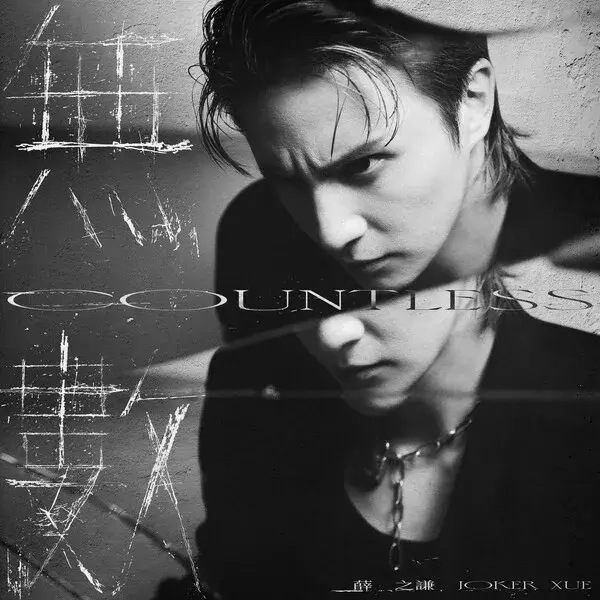
 View Artist