Song Meaning
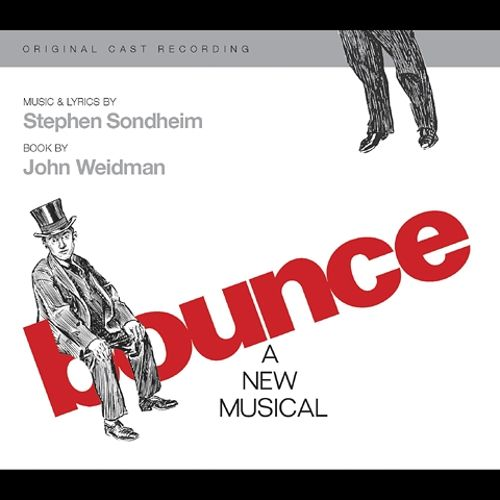
Stephen Sondheim's "Isn't He Something!" is a masterclass in maternal ambivalence, a portrait painted not with saccharine adoration but with a complex blend of exasperation and vicarious thrill. The song, seemingly a simple paean to a son's charismatic recklessness, subtly unpacks the psychological tightrope walked by a mother observing a child who embraces a life she herself could never dare to live. The lyrics reveal a woman both frustrated by her son's seeming lack of responsibility ("Hardly ever calls/When he sends me letters/They're just two-line scrawls") and utterly captivated by it. It’s the classic push-pull of parental love, amplified by the son's flagrant disregard for societal norms. The phrase "Isn't he something!" becomes less a statement of pride and more an awestruck, slightly bewildered question.
Sondheim, ever the astute observer of human nature, uses the mother's internal monologue to explore themes of repressed desire and the allure of the forbidden. The lyrics juxtapose the son's carefree existence with the mother's own more constrained one. She acknowledges his lack of "pride" and "shame," but these perceived flaws are precisely what fuel her fascination. She admits to living vicariously through him ("I've had the time of my life/Living through him"), suggesting a deep-seated yearning for the freedom he embodies. The song cleverly plays with the idea that sometimes, a parent's greatest joy comes not from a child's adherence to their values, but from their brazen rejection of them. The spoken interlude adds another layer, acknowledging the security provided by another, more dutiful son, but the emotional weight clearly lies with the 'sparkling' one.
Ultimately, "Isn't He Something!" isn't just about a son; it's about a mother's self-discovery. It's about recognizing the parts of herself she suppressed, the roads not taken, and finding a strange, bittersweet satisfaction in witnessing someone else travel them. The song’s brilliance lies in its refusal to offer easy answers or sentimental platitudes. Instead, Sondheim presents a nuanced and psychologically rich exploration of family dynamics, societal expectations, and the enduring power of vicarious living. The final repetition of “Isn’t he something…”, trailing off, leaves the listener not with a feeling of admiration, but with a lingering question: what does his freedom truly cost, and is it worth it?
 View Artist