Song Meaning
The lyrics paint a picture of profound inertia, a feeling of being adrift despite the predictable cycles of nature. The narrator observes the sun, moon, and stars, acknowledging their constant return, yet questions their own lack of engagement. This passive observation is contrasted with a desire for agency, a wish to "conduct a symphony" or "exercise some real control," but this impulse is immediately undercut by the overwhelming sense of being "capsulized" and "drifting in an aimless breeze."
The central tension lies in the disconnect between the external world's order and the narrator's internal stasis, amplified by a past trauma. The image of being a "ghost driver" who "sped away with your heart" suggests a profound loss and a lingering emptiness. This isn't just about feeling lost; it's about the void left by someone else's departure, a space that the narrator "enfold[s]" and acknowledges as "nothing there."
The most striking craft element is the juxtaposition of grand cosmic cycles with the intensely personal, almost mundane, feeling of being a "fallen leaf" or "wood out on the lake." The narrator attempts to assert control, to "prove something every day," but this effort feels futile against the overwhelming passivity. The final lines, "I try to try but even the voices are gone," encapsulate the depth of this disengagement, suggesting a loss of internal motivation and even the capacity for self-exhortation.
This writing is effective because it captures a specific, debilitating form of emotional paralysis. It’s not just sadness; it’s the quiet horror of realizing one’s own inability to act or even to feel deeply, a state where the "fleeting time" offers no solace, only a stark reminder of what is absent and the inability to fill that "empty space."
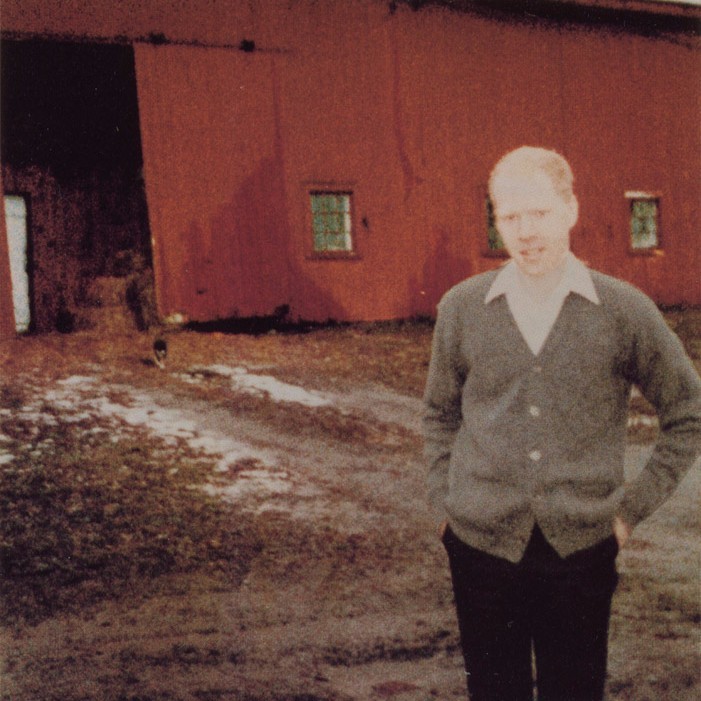
 View Artist