Song Meaning
The lyrics paint a stark picture of desperation and societal pressure, opening with a visceral image of a "living corpse" in a doorway, immediately setting a tone of decay and crisis. This is juxtaposed with a young man seeking oblivion, buying "death in powder form," escalating from minor highs to a craving for a destructive "storm." The narrator appears to be trapped, with external voices dictating his existence and desires.
The central tension arises from the crushing weight of parental and societal expectations versus the individual's internal turmoil and desperate search for escape. The father's commands – "You shall not think, you shall not see" – and the mother's conditional promises of wealth and ease – "When you are rich, you do what you want" – highlight a life devoid of genuine self-expression or emotional freedom. These directives are met with a growing internal alarm, a signal that something is fundamentally wrong.
The recurring phrase "Alarmen går" (The alarm is going off) acts as a powerful motif, signifying a breaking point or a moment of urgent realization. It’s a direct response to the empty platitudes and controlling narratives offered by parents and society, who advise finding a "horse to bet on" or a "test to pass." This repeated cry cuts through the noise, suggesting the narrator's internal system is finally registering the danger of his situation, a desperate plea for attention or a warning of impending collapse.
Ultimately, the lyrics are effective because they capture a profound sense of alienation and the destructive consequences of a life lived according to external dictates. The contrast between the sterile, prescriptive advice and the raw, urgent "alarm" creates a palpable sense of dread. The final image of a "bureaucrat" filling the screen with "empty talk" solidifies the critique of a society that offers superficial solutions while ignoring the deep-seated crises it helps create.
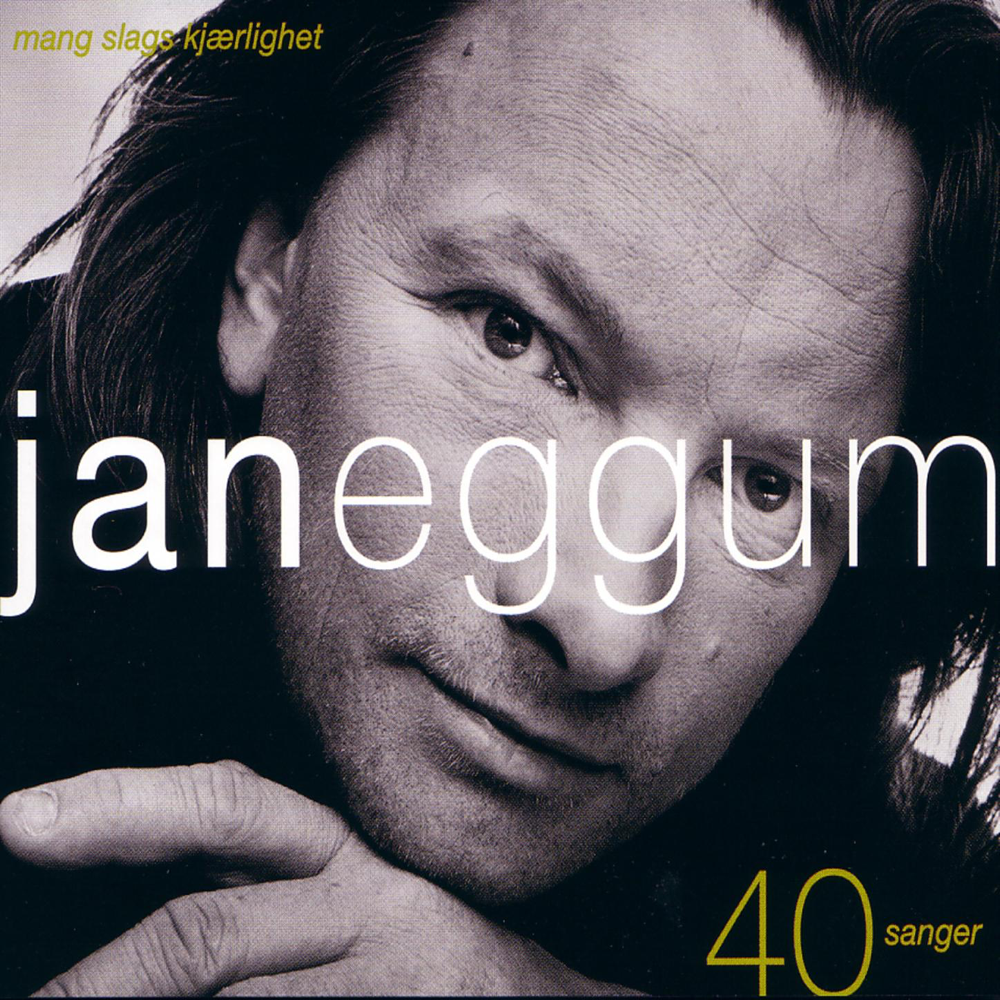
 View Artist