Song Meaning
The narrator lays down a stark ultimatum, framing their "good lovin'" as the ultimate, irreplaceable commodity. They dismiss worldly pursuits like climbing mountains, roaming seas, or making money as ultimately hollow, suggesting these endeavors won't satisfy the core need that only their affection can fulfill. The repeated phrase "All you have left is me" hammers home this possessive claim, painting a picture of a relationship where the narrator sees themselves as the sole source of true value.
This possessiveness is amplified by the narrator's own self-assessment of their possessions. They claim ownership of only two things: "music that just don't feel right" and the "good lovin'" they offer. This juxtaposition is striking; the music is flawed, incomplete, yet it's presented alongside their love as the only things they truly own. It suggests a deep-seated insecurity or perhaps a deliberate framing of their love as the only thing of genuine worth they can offer, even if it comes from a place of personal dissatisfaction.
The lyrics pivot in the final stanza, shifting from a declarative statement to an invitation. The narrator urges the listener to "go ahead and climb a mountain, baby" and "roam the seas," but then directly asks them to "come back home to me." This isn't just a plea; it's a challenge, implying that after exhausting all other options, the only logical and fulfilling destination is back in the narrator's arms. The repetition of "Come back home to me" transforms the initial ultimatum into a persistent, almost desperate, call for return.
Ultimately, the effectiveness of these lyrics lies in their raw, almost desperate assertion of value. The narrator isn't just offering love; they're presenting it as the only thing that matters in the end, the only thing truly worth coming back to. The contrast between grand, external achievements and the singular, intimate offering of their affection creates a potent emotional tension that drives the song's message home.
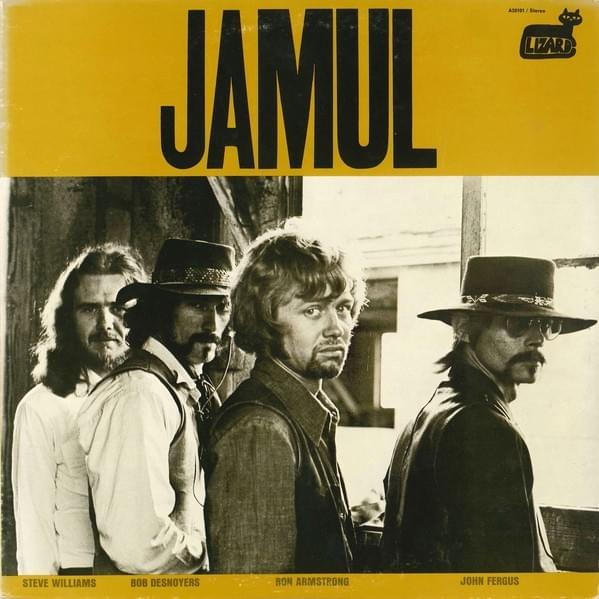
 View Artist