Song Meaning
The narrator is grappling with a complex relationship, seemingly with someone they address as "mãe" (mother), but the context suggests a romantic or deeply intimate connection rather than a literal maternal one. There's a stated indifference from this person: "Se importa, mãe / Se eu fico ou se eu vou." Yet, they also offer an "open door" and a desire for the narrator to be "seu amor" (your love). This creates an immediate tension between perceived emotional distance and an expressed desire for closeness.
The core conflict arises from the narrator's intense desire for this person, despite acknowledging their "não tem juízo" (no sense/judgment) and the difficulty of their daily life together: "O dia a dia com você meu bem / É difícil de encarar." The phrase "Ai, Meu Deus" punctuates this struggle, highlighting a mix of exasperation and fervent longing. The narrator is aware of the potential "prejuízo" (loss/damage) but still commits to the relationship, driven by a powerful attraction.
A striking contrast emerges between the person's daytime and nighttime personas. "De dia você é mais de cem" suggests a vibrant, perhaps overwhelming, energy or presence during the day. However, "A noite bota pra lenhar" implies a more intense, possibly wild or unrestrained, behavior when darkness falls. This duality adds a layer of unpredictability and perhaps danger to the relationship, making the narrator's commitment even more compelling and fraught.
Ultimately, the lyrics capture the raw, often irrational, pull of desire against the backdrop of a challenging reality. The narrator is drawn to this person's complex nature, even the parts that make life difficult. The blend of affectionate pleas like "vumbora amar" (let's go love) with the acknowledgment of hardship and the person's erratic behavior creates a potent, grounded portrayal of a love that is both desired and daunting.
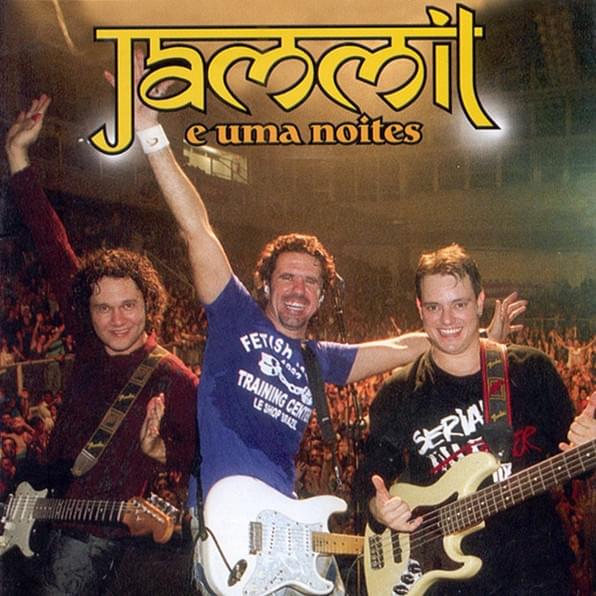
 View Artist