Song Meaning
A Vida Não Presta" immediately sets a scene of stark social contrast and unrequited longing. The narrator observes a crush with a car, while they walk "a pé," highlighting an immediate disparity in their worlds. This opening quickly establishes a tone of wistful envy and isolation, laying bare the speaker's feelings of inadequacy.
The core tension here stems from the narrator's deep insecurity and the perceived gap between their reality and their crush's. They suffer through lonely Sunday afternoons, fantasizing about a convertible as a means to win affection. This reveals a poignant belief that material possessions are the key to love, underscoring a profound sense of inadequacy driving their desire.
What truly twists the knife is the narrator's inability to escape this longing, even in sleep. After countless sleepless nights trying to forget, they finally drift off only to dream of the crush delivering a brutal rejection, telling them "não ter ilusões." This powerful irony, where even the subconscious offers no solace, underscores the inescapable nature of their heartbreak and the futility of their hopes.
The effectiveness of these lyrics lies in their raw, unvarnished portrayal of youthful despair. The simple, direct language, coupled with the escalating sense of futility—from social comparison to a failed party attempt where the crush flees—culminates in the stark, almost childlike declaration, "A vida não presta." This final, absolute statement of rejection, projected onto life itself, resonates with anyone who has felt utterly defeated by unrequited affection.
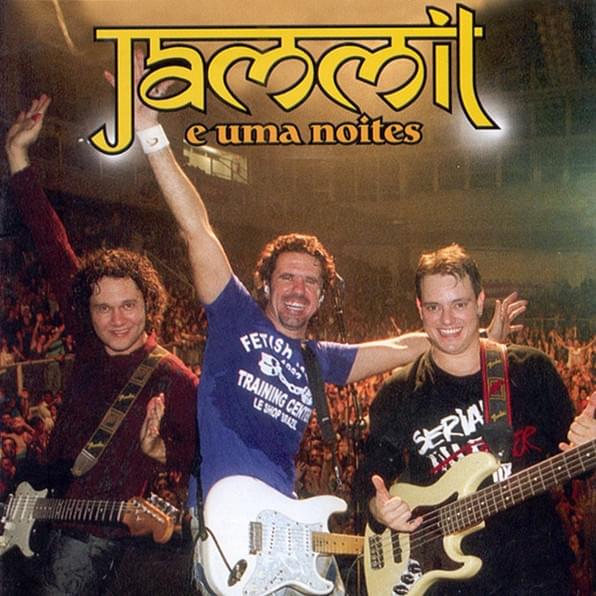
 View Artist