Song Meaning
The narrator is on the cusp of a profound revelation, a "morning glory" that redefines their reality. Initially, their "visions were untrue," suggesting a period of delusion or false hopes. This changes dramatically with the appearance of "you," which triggers a singular, true vision that cuts through the previous confusion and hints at an "untimely end for all." The repetition of "only then that I saw" emphasizes the pivotal nature of this moment of clarity.
The core tension lies between a past filled with "soliloquies of sadness" and "prophecies of pain" and the transformative power of this new vision. The narrator desperately wants to escape the negativity, seeking to be taken to this place of "morning glory." This desire to leave behind the old self and embrace the new is palpable, fueled by the contrast between the bleakness of their past perceptions and the hopeful, albeit potentially ominous, clarity of the present.
The lyrics employ a striking contrast between abstract prophecies of doom and the concrete, personal vision of "you." The phrase "morning glory" itself functions as a potent, double-edged image: a beautiful, fleeting bloom, but also a type of bindweed that can choke out other plants, hinting at the potentially overwhelming or destructive nature of this revelation. The repeated assertion "now I've seen that morning glory" signifies a point of no return, a definitive shift in perspective.
This song resonates because it captures the disorienting yet exhilarating feeling of a paradigm shift. The narrator's journey from delusion to a singular, impactful vision, driven by the arrival of another person, speaks to the power of connection to recalibrate one's entire outlook. The ambiguity of the "morning glory"—both beautiful and potentially consuming—mirrors the complex emotions that accompany profound personal change.
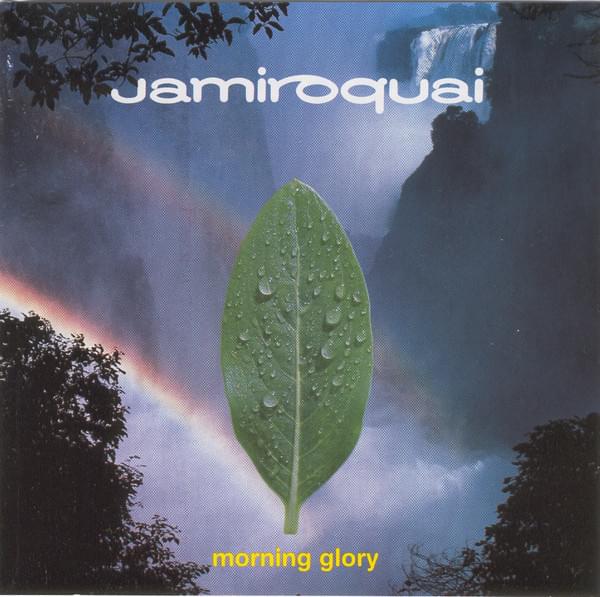
 View Artist