Song Meaning
The lyrics paint a picture of Bethlehem as a town in profound stillness, a place where the world seems to hold its breath. The opening lines establish a scene of deep, almost dreamless sleep, with only the silent stars bearing witness to the quiet night. This profound peace, however, is juxtaposed with a powerful, hidden significance. The narrator emphasizes that within this unassuming darkness, "The everlasting light" is present, suggesting a divine presence that transcends the ordinary slumber of the town.
The core tension lies in the contrast between the outward, earthly quietude and the immense, cosmic event unfolding. While the town sleeps, the lyrics reveal that a momentous birth has occurred, bringing together "The hopes and fears of all the years." This suggests that the significance of this night isn't just local; it's a focal point for universal human experience, a moment where divine intervention meets earthly anticipation. The angels' "watch of wondering love" further amplifies this celestial activity against the backdrop of human unawareness.
The most striking craft element is the personification of the town itself, treated as a silent observer to a divine drama. The repeated invocation, "Oh, little town of Bethlehem," gives it a tender, almost childlike quality, making its stillness feel sacred. The shift in the final stanza from observation to direct supplication is powerful. The narrator moves from describing the scene to actively pleading for the "holy Child" to "enter in / Be born in us today," transforming a historical event into a personal, spiritual plea for divine presence.
This lyrical approach is effective because it grounds the miraculous in the mundane. By focusing on the quiet sleep of a small town and the silent passage of stars, the lyrics make the extraordinary event of Christ's birth feel both intimate and awe-inspiring. The final, earnest request for the divine to be "born in us" transforms the narrative into a deeply personal call for spiritual renewal, resonating with the listener's own hopes for peace and redemption.
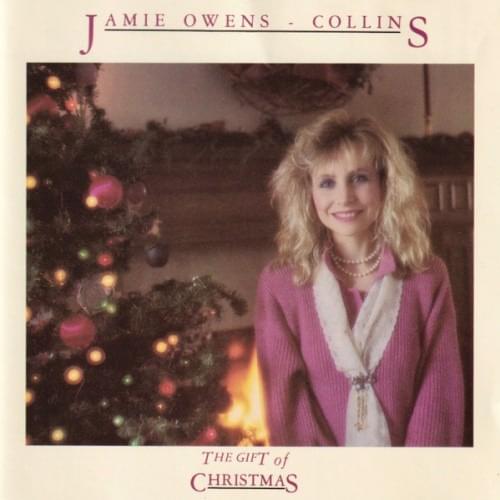
 View Artist