Song Meaning
The lyrics issue a powerful, repeated invitation to witness a singular event: the birth of Christ in Bethlehem. The opening lines immediately establish a tone of joyous urgency, calling for the faithful to arrive "joyful and triumphant." This isn't a somber occasion but a moment demanding celebration and active participation. The repeated phrase "O come ye" emphasizes the collective nature of this pilgrimage, urging everyone to gather and "behold Him."
The central tension lies in the contrast between the divine and the earthly. While the narrator acknowledges Jesus as "Born the King of Angels" and "Word of the Father," the lyrics ground this celestial figure in a very specific, humble location: Bethlehem, and a specific moment: "Born this happy morning." This juxtaposition highlights the profound significance of God becoming flesh, a cosmic event unfolding in a simple, human birth.
The most striking craft element is the relentless, almost hypnotic repetition of "O come, let us adore Him." This refrain acts as both a command and a communal affirmation, building in intensity with each iteration. It transforms the act of worship from a private reflection into a shared, exultant experience, echoing the "choirs of angels" and "bright hosts of Heav'n" who are also called to "Sing in exultation."
Ultimately, the lyrics' effectiveness stems from their directness and communal spirit. By focusing on the act of coming together and adoring the newborn King, the song bypasses complex theology for a pure, unadulterated expression of faith and wonder. The repeated calls to gather and worship create an infectious sense of shared purpose, making the listener feel like an active participant in this foundational moment of Christian belief.
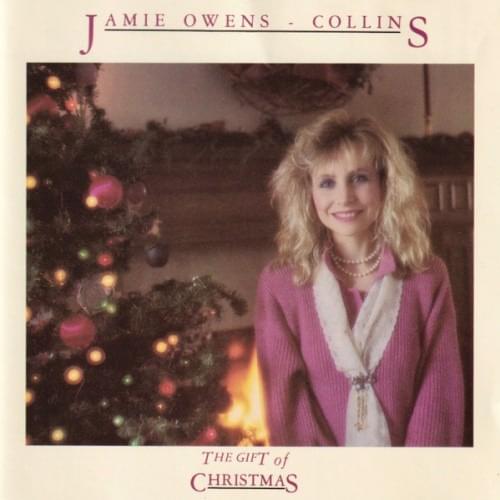
 View Artist