Song Meaning
Jamie Cullum's rendition of "God Bless The Child" isn't just a performance; it's a stark confrontation with economic reality. The song, at its core, is a bluesy lament about self-reliance in a world rigged against the have-nots. Cullum delivers the message with a blend of soulful resignation and subtle defiance, highlighting the inherent unfairness of a system where wealth begets wealth, and poverty breeds further hardship. The opening lines, "Them that's got shall give, them that's not shall lose," echo a twisted interpretation of biblical generosity, immediately setting the stage for a world where societal structures perpetuate inequality. It's not just about material possessions; it's about the psychological weight of dependency versus the empowering force of self-sufficiency. The repetition of "Mama may have, Papa may have, but God bless the child that's got his own" underscores the crucial need for independence, almost as a survival mechanism.
The song's commentary on fair-weather friends is equally biting. "Money, you've got lots of friends... when you're gone, they don't come around no more" is a cynical observation about the transactional nature of relationships built on financial gain. It’s a lonely sentiment, emphasizing the isolation that can accompany both wealth and poverty. The instrumental solos, characteristic of Cullum's style, serve as emotional interludes, allowing the listener to marinate in the weight of these realities. They aren't just musical breaks; they're spaces for introspection, forcing us to confront our own complicity in a system that often rewards the already privileged.
Ultimately, Jamie Cullum's interpretation of "God Bless The Child" resonates because it taps into a universal anxiety about economic security and the desire for autonomy. It's a song that acknowledges the systemic disadvantages faced by many, while simultaneously celebrating the resilience and self-reliance needed to navigate a world where "empty pockets don't ever make the grade." The lasting impact of the song lies in its unflinching honesty and its ability to provoke a deeper reflection on the societal forces that shape our lives.
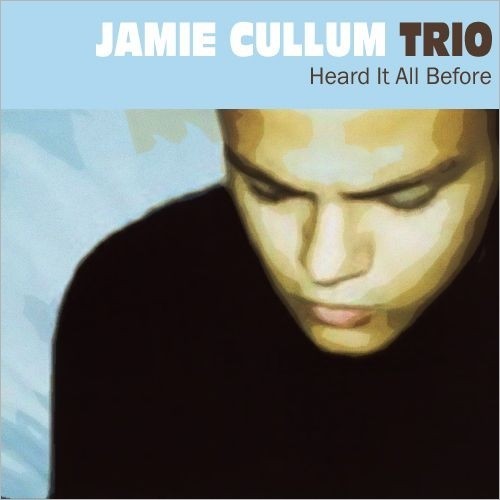
 View Artist