Song Meaning
The lyrics wrestle with the cyclical nature of relationships and life, framing endings not as absolute conclusions but as potential gateways to new phases. The opening lines immediately establish this paradox: if endings are beginnings, then leaving a relationship might be a fresh start, and if love feels like death, ceasing to breathe could be a form of release. This sets up a core tension between the desire for finality and the inevitability of continuation, questioning whether true understanding is achieved through active listening or passive observation. The narrator seems caught in a loop, contemplating the purpose of their actions and the meaning of their experiences.
The central conflict appears to be the struggle to reconcile the pain of a relationship with the hope for something new, or perhaps the acceptance of its end. The idea that 'loving you's like dying' and the subsequent thought of ceasing to breathe suggests a profound emotional exhaustion, bordering on despair. Yet, the repeated refrain that 'endings are like beginnings' offers a counterpoint, a philosophical stance that suggests every conclusion holds the seed of a new start. This duality creates a sense of unease, as the narrator grapples with whether to embrace this cyclical view or remain stuck in the suffering of the present.
The craft here hinges on a series of potent, almost surreal metaphors that highlight this emotional stasis and the yearning for change. The notion of pain as a 'tattoo' that might eventually fade, or the heart holding its tongue 'between its teeth,' vividly illustrates the internal struggle and the difficulty of expressing or overcoming deep-seated hurt. The image of passing pain 'like a baton' and the endless running emphasizes a sense of inherited or inescapable suffering, while the journey across the 'great divide' to a bedside suggests a desperate attempt to bridge emotional or physical distance, even as the core paradox of endings and beginnings persists.
Ultimately, the effectiveness of these lyrics lies in their raw, introspective honesty and the way they articulate a universal human experience: the difficulty of letting go and the persistent, sometimes painful, hope that change is possible. The cyclical structure and the recurring motif of endings as beginnings create a resonant, almost hypnotic effect, mirroring the narrator's own contemplation. It's this blend of existential questioning and relatable emotional turmoil, grounded in striking imagery, that makes the song's central idea so compelling and compelling.
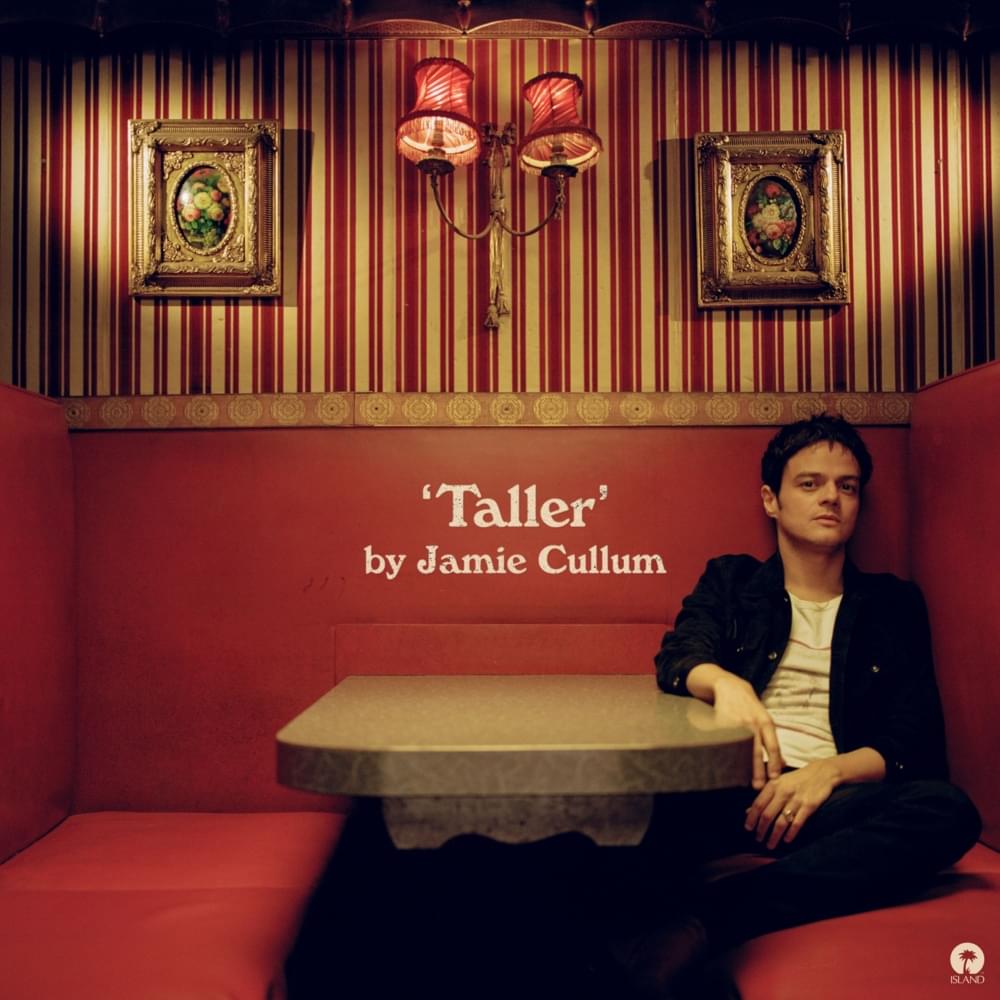
 View Artist