Song Meaning
Jamie Cullum's "Christmas Caught Me Crying" isn't your typical fireside carol; it's a raw, melancholic exploration of holiday dissonance. The song's power lies in its unflinching portrayal of seasonal affective disorder, amplified by the societal pressure to embody relentless cheer. Cullum doesn't shy away from the disjunction between the expected joy and the speaker's internal state, creating a space for listeners who find themselves similarly out of sync with the dominant narrative. The repeated line "Christmas, Christmas caught me crying" acts as a stark confession, a moment of vulnerability laid bare against the backdrop of forced festivity. It's an admission that the weight of expectation, the pressure to perform happiness, can be crushing.
The lyrics paint a picture of profound isolation. References to being "the last leaf on the tree" and "a crescent moon cracked over an infinite sea" evoke a sense of being utterly alone, a small, fragile entity against an overwhelming and indifferent universe. This feeling is further intensified by the awareness of what *should* be: "happiness hangs on every door," "a children's choir sings 'A King is born!'" These external markers of joy only serve to highlight the speaker's internal absence of it. The song subtly questions the authenticity of widespread holiday cheer, suggesting that for some, it's a performance rather than a genuine emotion.
Ultimately, "Christmas Caught Me Crying" resonates because it dares to acknowledge the darker side of the holiday season. It validates the experience of those who struggle to reconcile their inner turmoil with the external facade of merriment. The desire to escape – "if I could I'd be flying" – speaks to a longing for release from the suffocating weight of expectation. Cullum’s song meaning transcends simple sadness; it touches upon themes of alienation, societal pressure, and the courage to acknowledge one's own emotional truth, even when it clashes with the prevailing mood.
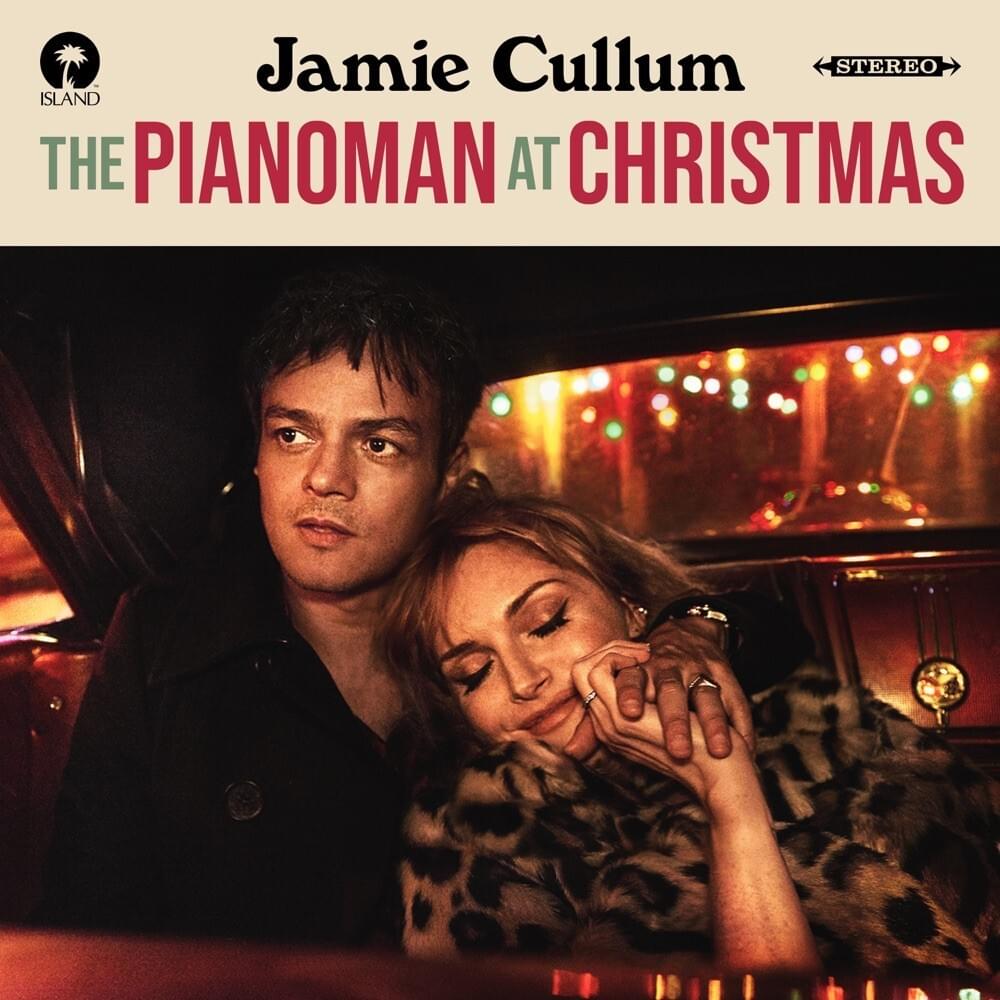
 View Artist