Song Meaning
The lyrics paint a picture of someone observing a loved one in a state of profound sadness, a melancholy so deep it seems to alter the very fabric of their reality. The opening lines, "Dancing where the stars go blue," immediately establish a surreal, almost dreamlike atmosphere, suggesting a place or state of mind far removed from the ordinary. This isn't just a bad mood; it's a descent into a world where even celestial bodies appear altered, hinting at a pervasive, disorienting sorrow.
The central tension lies in the narrator's desperate desire to understand and reach the person they care about, who seems to be retreating into an internal world. The repeated question, "Where do you go when you're lonely?" underscores this yearning for connection and the frustration of an unbridgeable distance. The narrator's promise, "I'll follow you," is a plea for access, a commitment to navigate whatever dark space the other person inhabits, especially "when the stars go blue."
The most striking craft element is the juxtaposition of imagery. We see a "wedding gown" and "wooden shoes" alongside "broken eyes" and "lover's tongue." This contrast between outward appearances of joy or intimacy and inner turmoil creates a powerful dissonance. The "little marionette" line, followed by the sharp question, "Are you happy now?" suggests a performance of happiness that feels hollow, a puppet dancing to a tune it doesn't feel.
This lyrical construction is effective because it captures the isolating nature of deep sadness without resorting to clichés. The surreal imagery of blue stars and the internal conflict of "broken eyes" while "laughing" make the emotional state palpable. The narrator's persistent, almost obsessive, need to follow creates a sense of shared vulnerability, even if the person being followed remains elusive.
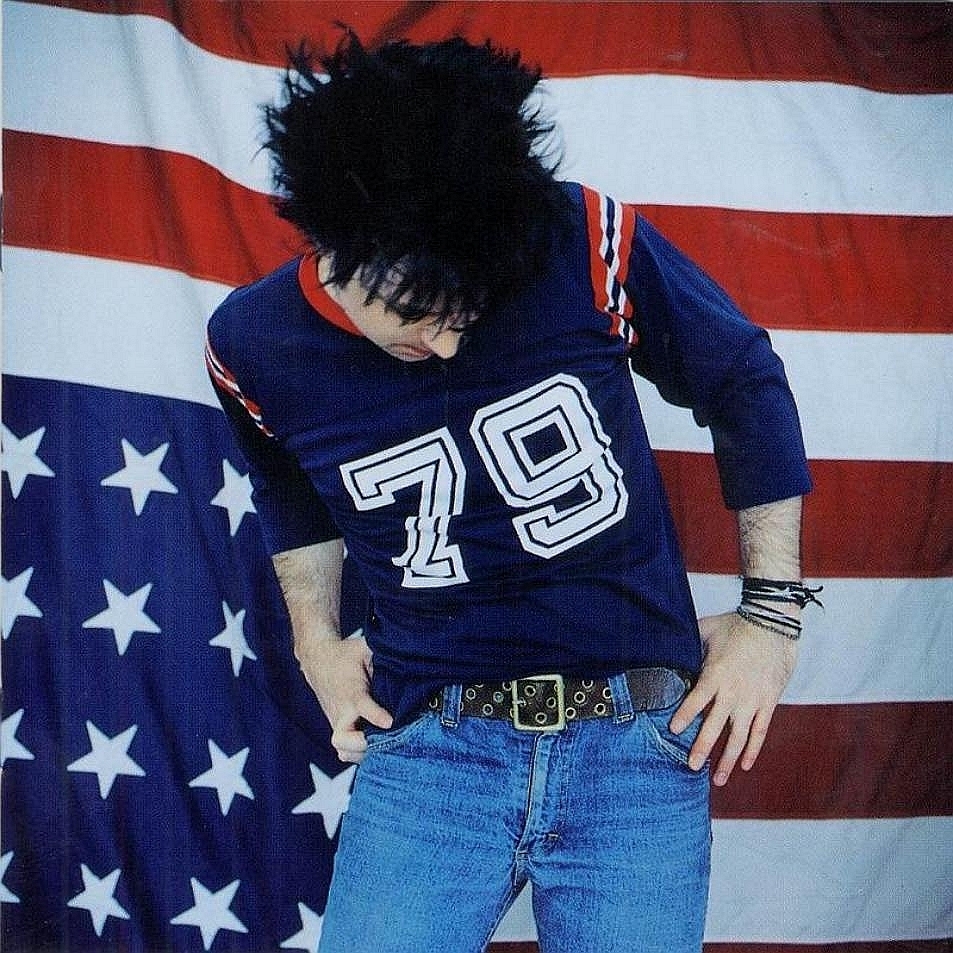
 View Artist